

Compare Soracom’s platform to traditional cellular IoT connectivity
Soracom’s platform is fundamentally different from traditional cellular connectivity in that it is built specifically for Internet of Things (IoT) applications and operates on a cloud-native, software-based infrastructure. Traditional cellular, provided by Mobile Network Operators (MNOs), is designed primarily for consumer devices (voice and high-bandwidth data) and often lacks the flexibility, management tools, and specialized integrations required for efficient, large-scale IoT deployments.
| ▼ | Traditional Cellular (MNOs) | Soracom Platform |
|---|---|---|
| Network Infrastructure | Hardware-based, legacy infrastructure with higher operational costs. | Cloud-native, software-based core network infrastructure on AWS, Azure, etc. |
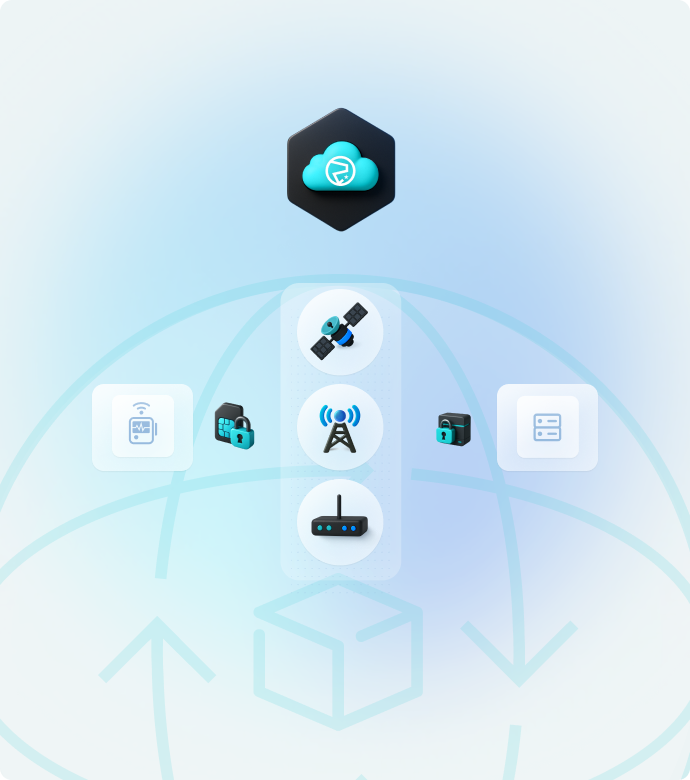
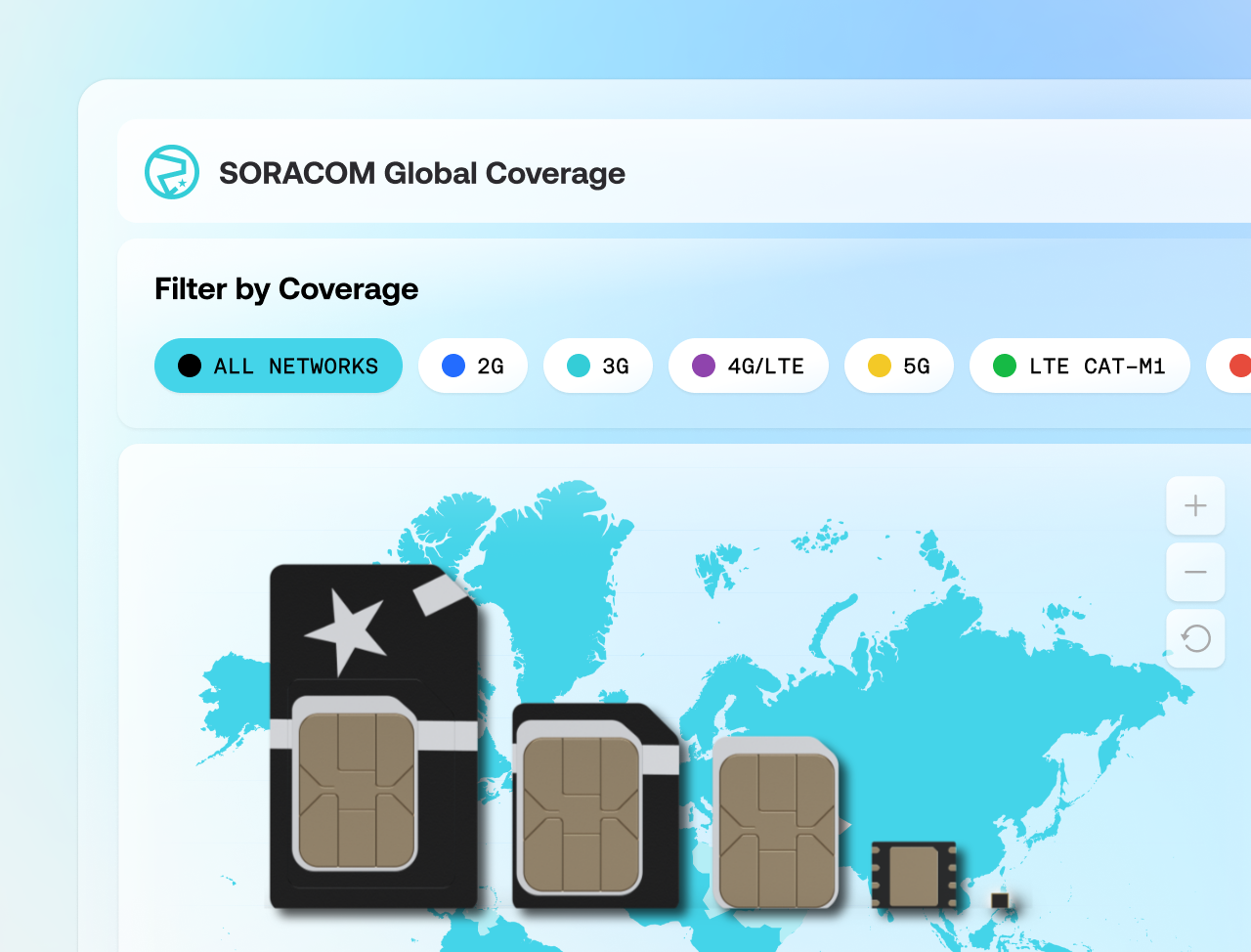
| Connectivity Model | Typically single-carrier, single-country SIM, often requiring different physical SIMs for different regions or carriers. | Multi-carrier/global coverage through a single SIM (eSIM option available), seamlessly switching networks for best coverage. |
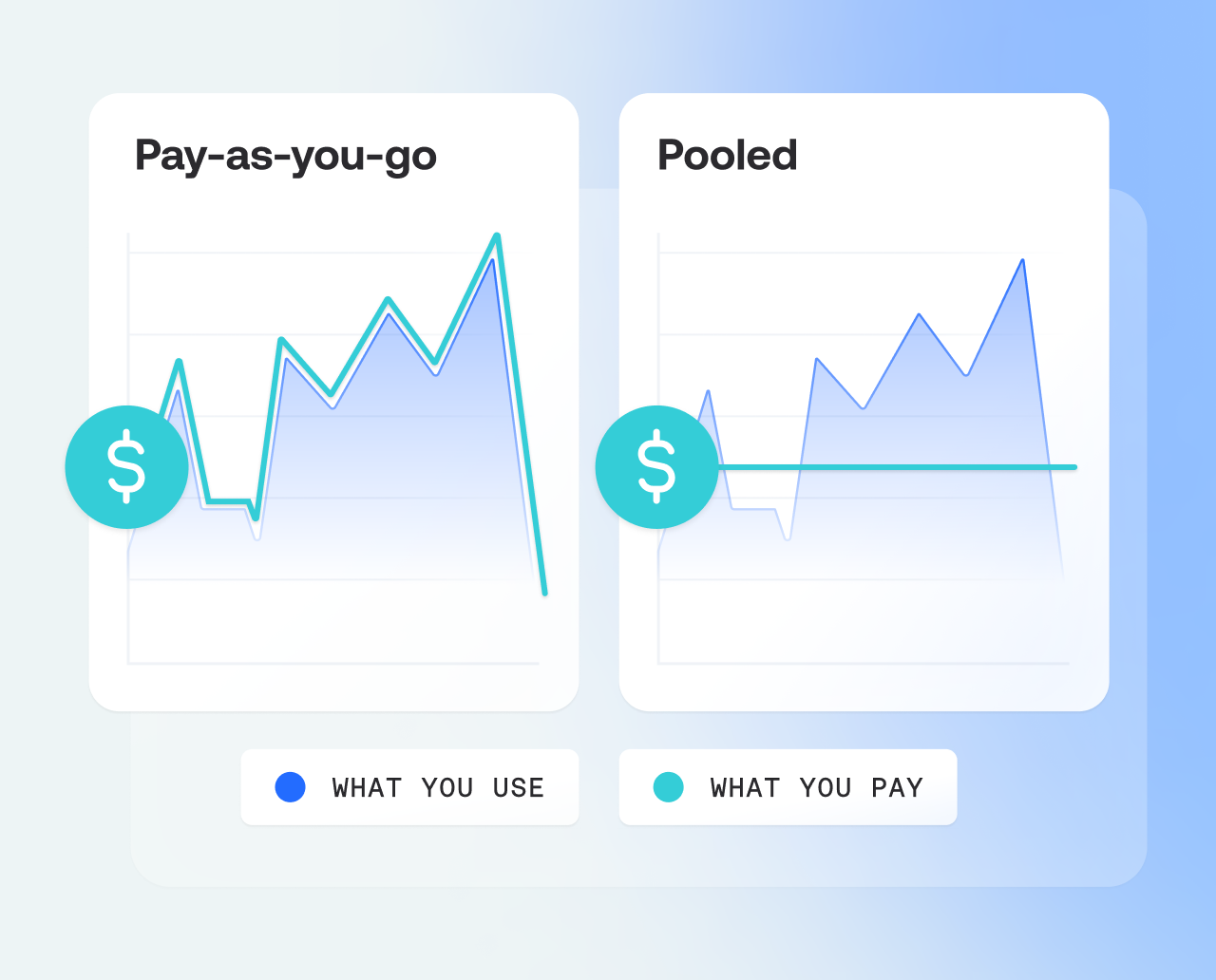
| Pricing | Often requires long-term contracts, minimum commitments, and fixed monthly fees, less flexible for sporadic data usage patterns common in IoT. | Pay-as-you-go, commitment-free, highly flexible with options for usage-based billing. |
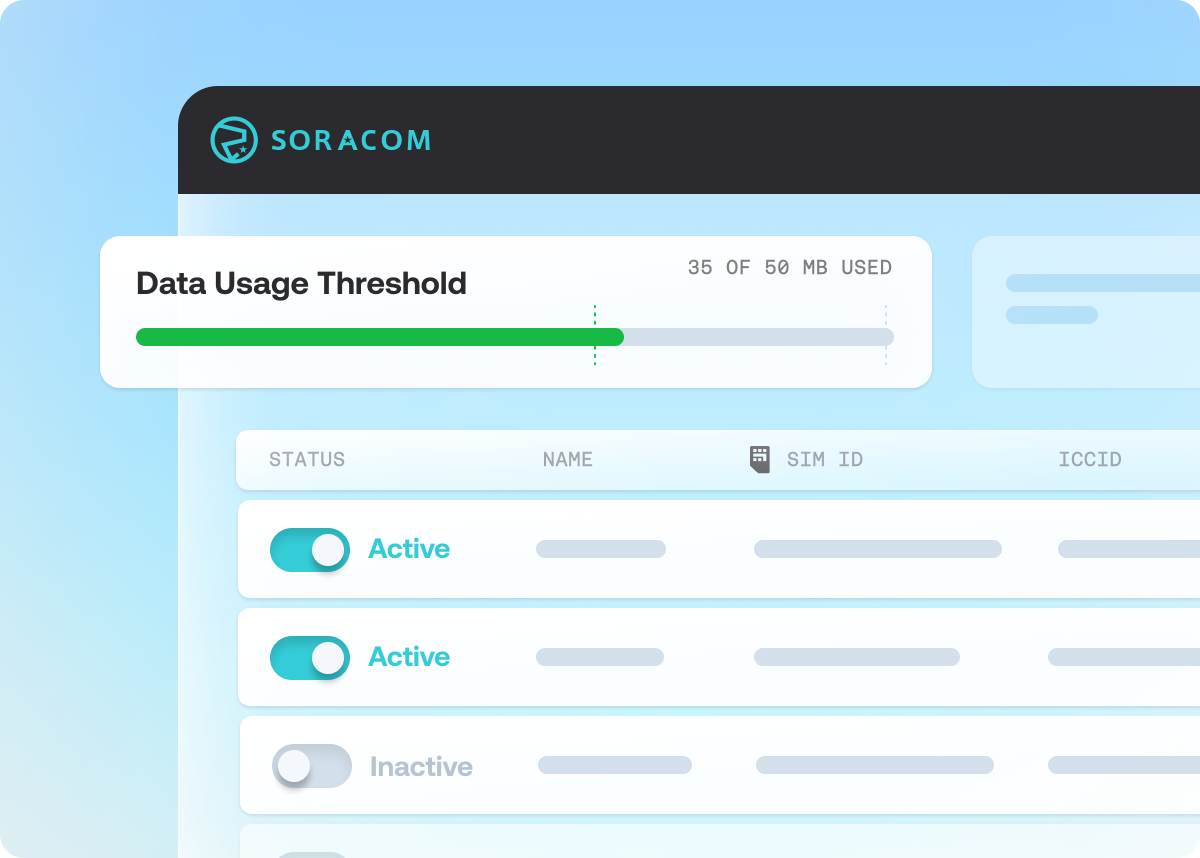
| Management | Limited management tools, often lacking real-time visibility and API integration for full programmatic control. | Comprehensive web console and API for real-time monitoring, remote management (activate/deactivate SIMs, set alerts). |
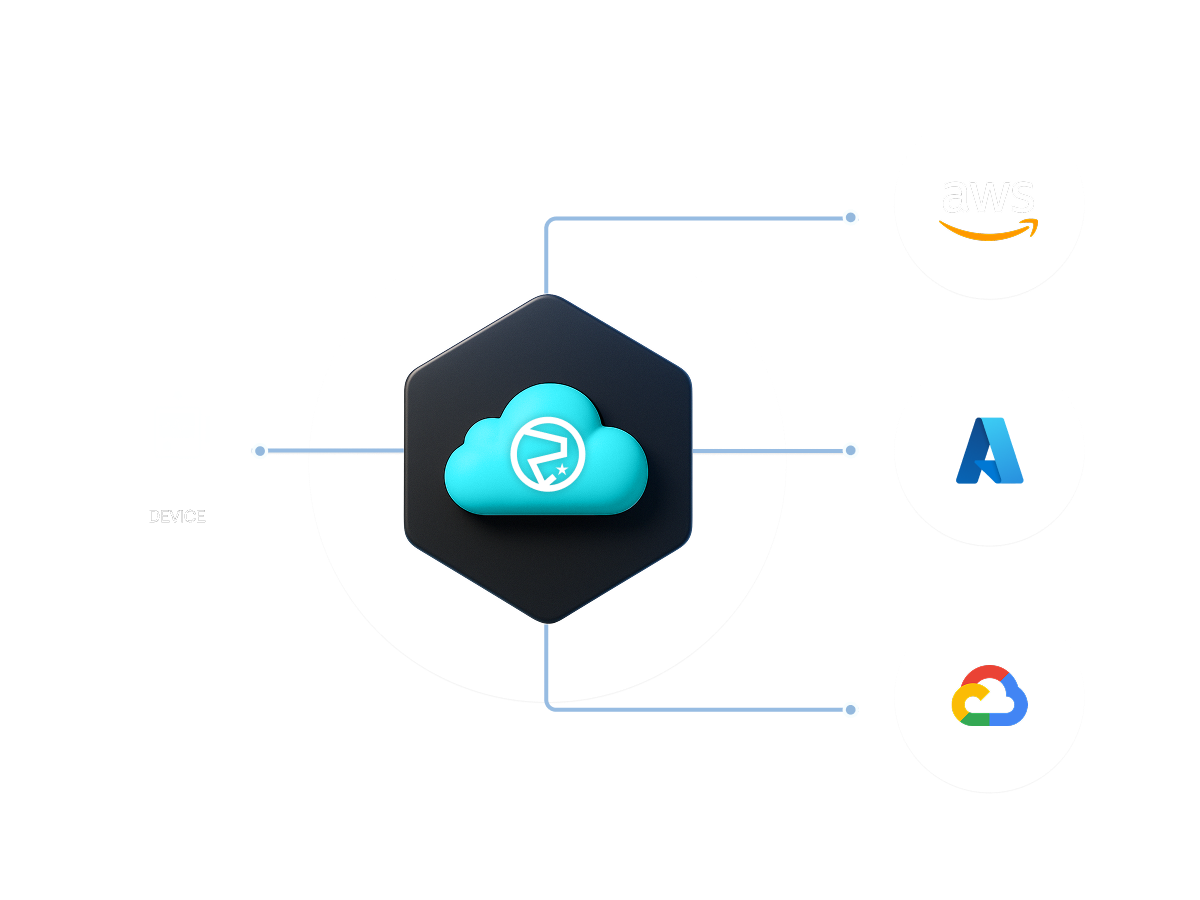
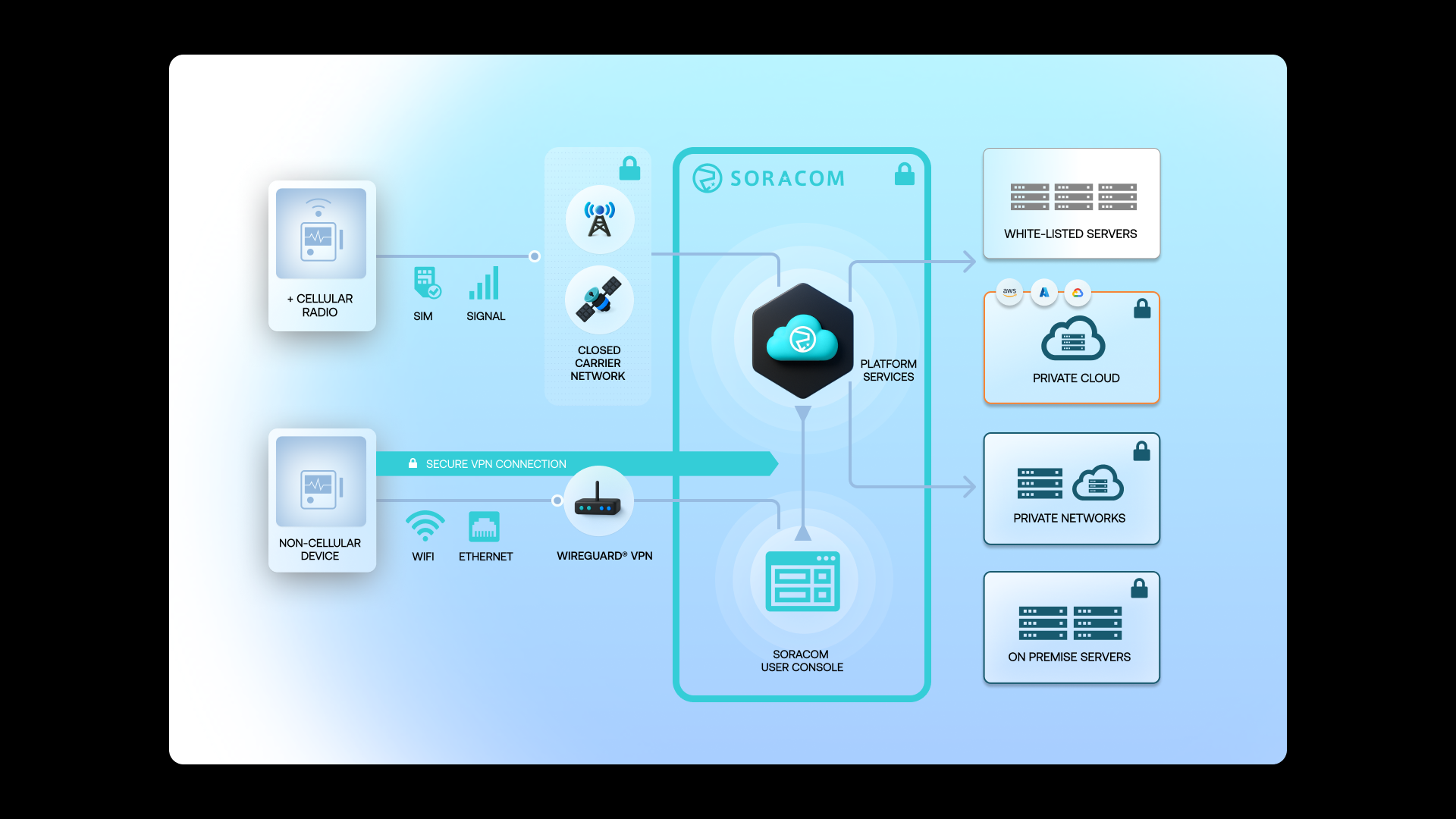
| Security & Integration | Requires complex and time-consuming setup of private APNs and VPNs to ensure secure connectivity to private networks. | Direct, secure integration with major cloud services (AWS, Azure, GCP) via private connections, bypassing the public internet. |
| Developer Focus | Generic service offerings that require significant custom development effort to integrate with specific IoT application requirements. | Built by developers for developers and enterprise teams, offering tools like remote provisioning and data proxies to offload encryption and authentication. |
| Support | Standardized customer support model, often with multiple tiers and potentially less specialized knowledge of niche IoT challenges. | Direct access to technical support teams with diverse backgrounds, avoiding call centers and ensuring issues are resolved by the assigned expert. |