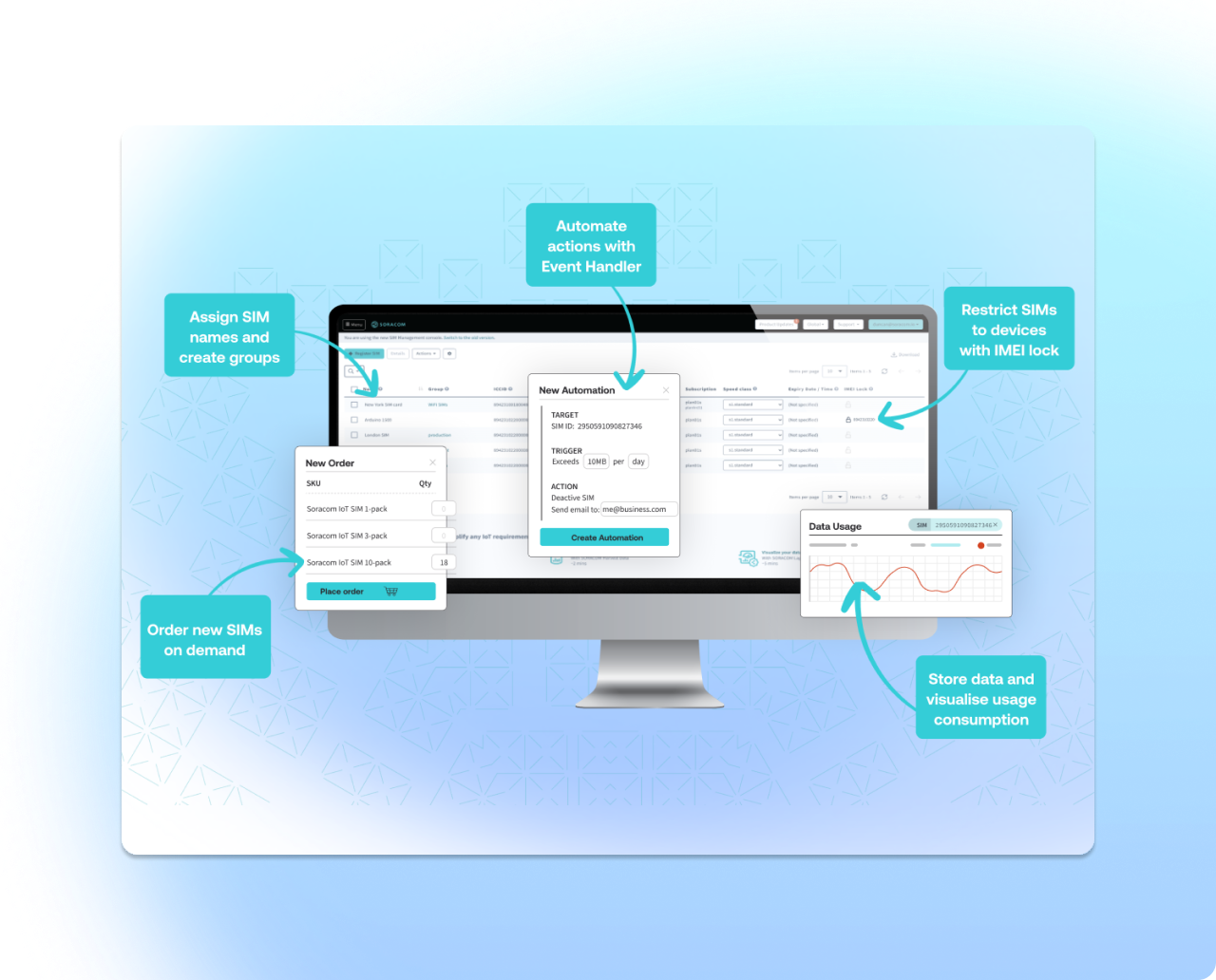
SGP.32 eSIM orchestration Connectivity Hypervisor

Add coverage and carriers on your own terms

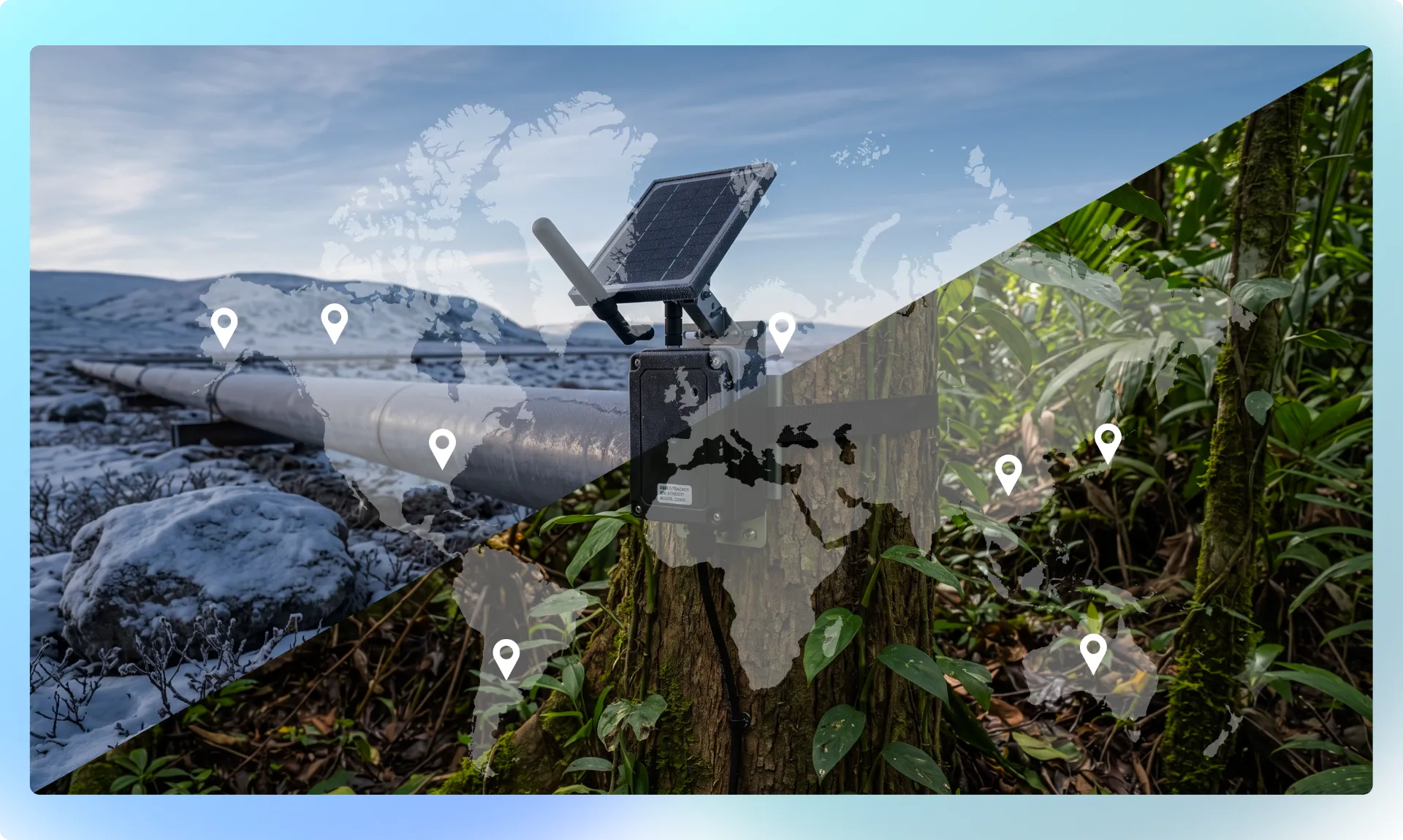
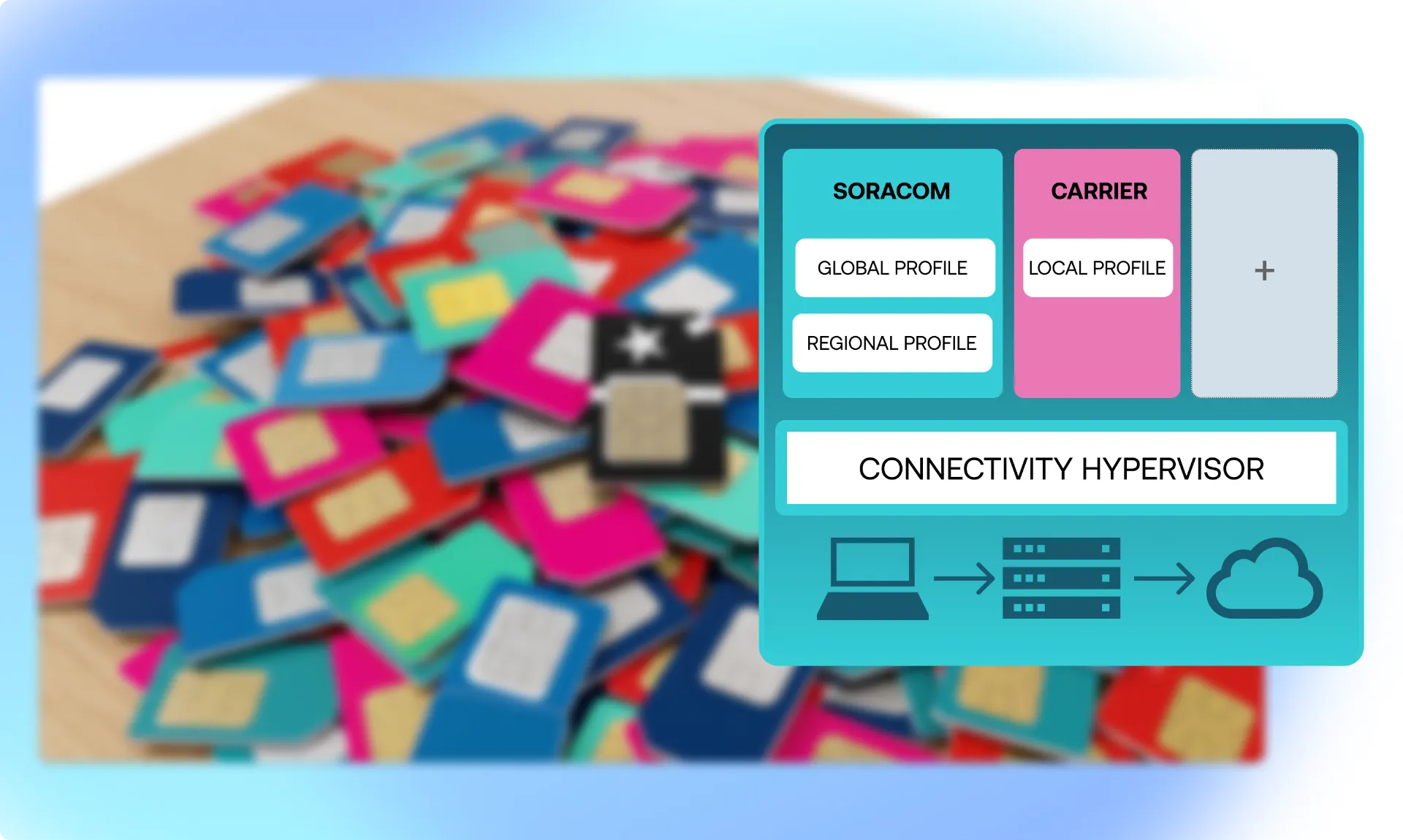
Built on the SGP.32 standard, one Soracom SIM holds multiple carrier profiles. Choose the carrier, plan, and region in software — even for a fleet that's already in the field.

SGP.32 eSIM orchestration with Soracom Connectivity Hypervisor

Soracom Connectivity Hypervisor is an eSIM orchestration platform built on the SGP.32 standard. SGP.32 is the GSMA’s remote SIM provisioning standard for IoT, which lets you download, switch, and manage carrier profiles on deployed devices over the air. With Connectivity Hypervisor, you ship one SKU worldwide and choose carriers in software after deployment.
What you can do

Add carrier profiles

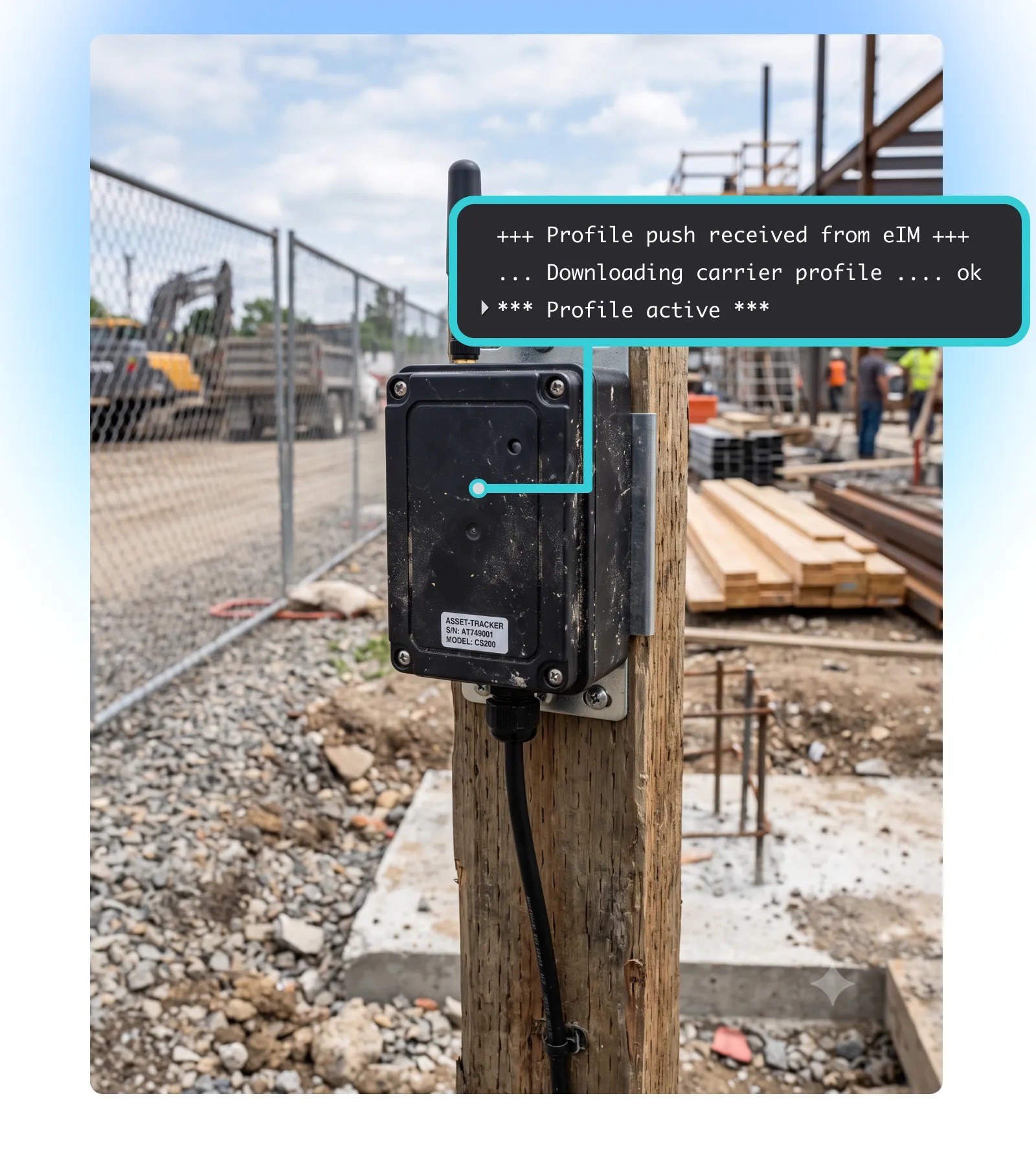
Purchase and download profiles over the air to devices already in the field.

Switch the active profile

Choose which profile a SIM uses, on your schedule — no firmware change.

Drop what you don't need

Cancel a profile when a device leaves a market.

Stay connected with fallback

Built-in Soracom-profile fallback keeps a device online when a target profile is unavailable.

Ship one SKU. Decide carriers later.

Stop guessing which markets you’ll enter

For most of IoT’s history, connectivity was a manufacturing decision. You soldered in a SIM, committed to a carrier, and guessed your markets before a single unit shipped. Guess wrong and you built a second SKU. Connectivity Hypervisor moves that decision into software. Ship one device, then add the right carrier profile once you know where it’s going.

Meet local rules without a new build

Handle local-carrier requirements after deployment

Some countries limit permanent roaming or require a local carrier. Push a local profile to devices that are already in the field, and keep procurement single-source from Soracom. No site visit. No firmware change. No second SKU.

Keep carrier control on your side

You choose the profile, not the factory

You decide which profile each SIM uses, including third-party carrier profiles layered on top of your Soracom profile. The choice lives with you and your fleet, and it can change as your needs do. Carriers earn the business.

What is SGP.32?

The remote SIM provisioning standard for IoT

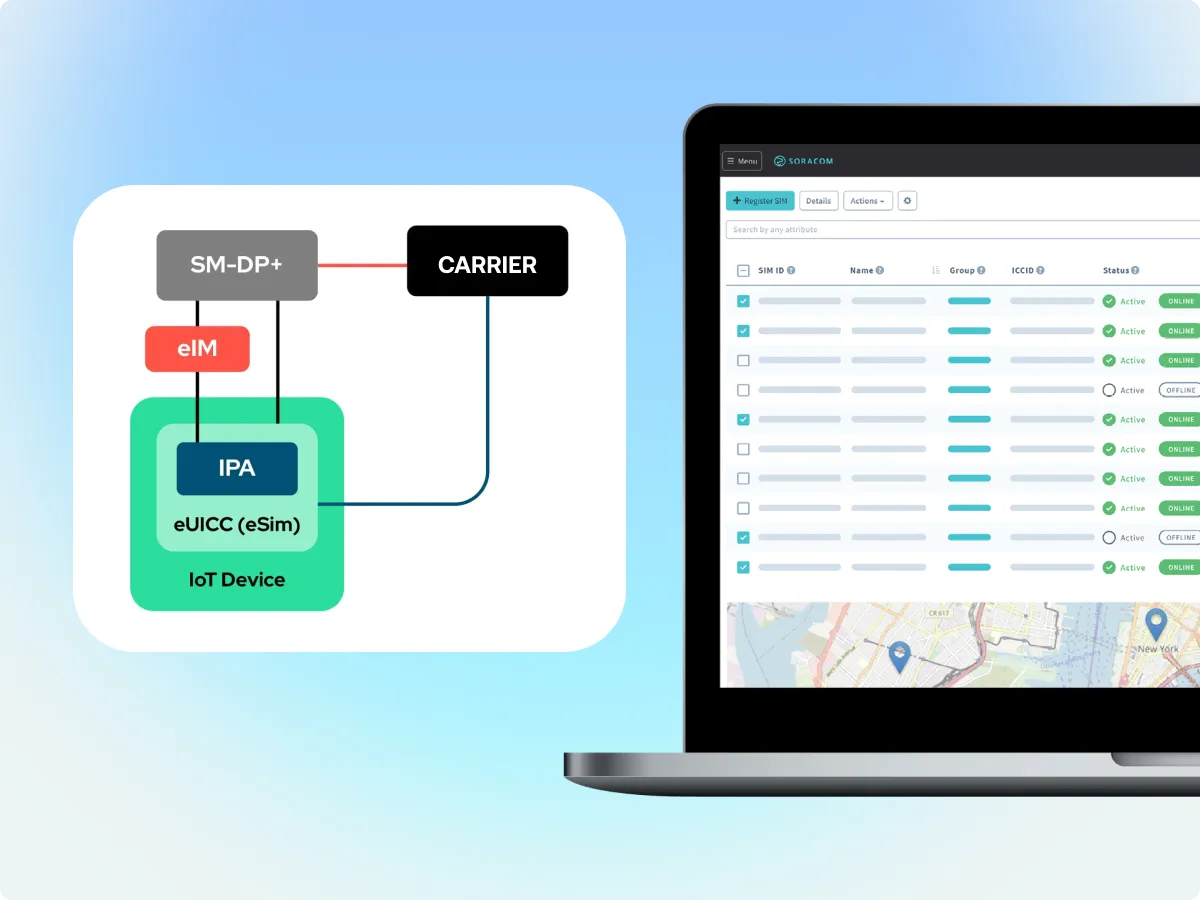
SGP.32 is the GSMA’s remote SIM provisioning standard for IoT. It’s designed for devices that can’t rely on the physical SIM access or user interfaces that earlier provisioning models assumed — vehicles, utility meters, asset trackers, and connected medical devices. It lets you download, switch, and manage carrier profiles on deployed devices over the air. Soracom Connectivity Hypervisor is Soracom’s orchestration layer built on SGP.32, using standard eUICC, eIM, and SM-DP+ components.

#

Ready to future-proof your SIM deployments?

Talk with us about SGP.32 SIMs, Connectivity Hypervisor, and how this plays into your existing and future deployements.

Let's Talk
Does Soracom Connectivity Hypervisor support SGP.32?
Yes. Soracom Connectivity Hypervisor is an eSIM orchestration platform built on the SGP.32 standard. It manages multiple carrier profiles — including third-party MNO profiles — on a single SGP.32-compatible IoT eSIM.
How is Connectivity Hypervisor different from Subscription Container?
Subscription Container is the managed option — Soracom automatically selects which subscription your SIM uses, so you don't think about line selection. Connectivity Hypervisor is the self-managed option — you choose which profile the SIM uses, including third-party carrier profiles on top of your Soracom profile. Plenty of fleets use both.
Does the SIM switch carriers automatically based on location?
No. You, or a Soracom orchestration rule you set up will trigger the change. The platform sends the switch command, and the SIM carries it out. The SIM doesn't make carrier decisions on its own.
Do third-party carrier profiles include Soracom features like Beam and VPG?
Not automatically. A third-party profile may connect to the public internet without Soracom features such as Beam or VPG unless that carrier has been integrated. Partner integrations are expanding — check with us about specific carriers. Carrier profiles within the Connectivity Hypervisor will specifically mention callout which profiles have platform services available or not.
What's the difference between SGP.32 and consumer eSIM provisioning (SGP.22)?
SGP.22 is the consumer standard, built around a device screen and user opt-in — phones and wearables. SGP.32 is built for unattended IoT devices that have no user interface, using a remote eIM to download and manage profiles across a fleet at scale.
Do I need to change my device firmware to switch carriers?
No. The eSIM carries Soracom's built-in IoT Profile Assistant (IPAe), so you swap the SIM SKU and leave your firmware alone. Profiles are managed over the air.
What happens if a carrier profile can't connect?
Connectivity Hypervisor includes built-in Soracom-profile fallback, so a device stays connected when a target profile is unavailable. That fallback is to the Soracom profile specifically — it's not general automatic failover across any carrier you've loaded.
Are SGP.32 eSIMs and Connectivity Hypervisor available now?
Yes. Connectivity Hypervisor and SGP.32-compatible IoT eSIMs are generally available for purchase, in both card and chip form factors. Contact us to plan a deployment or place an order.