S’uimin Inc. is on a mission to make sleep analysis easier, more accurate, and more comfortable. Founded by CEO Masashi Yanagisawa, the company developed InSomnograf, a wearable device that collects brainwave data while a person sleeps in their own home. Using small, sticker-like electrodes placed on the forehead and behind the ear, the device records more than 20 sleep indicators, ranging from time to fall asleep to time spent in deep vs. light sleep.
Unlike traditional sleep studies, which require overnight stays in hospitals or laboratories surrounded by wires and monitoring equipment, InSomnograf is designed for comfort and convenience. The device pairs with a proprietary AI platform to analyze brainwave data and deliver comprehensive, easy-to-read reports to both patients and physicians.
In its early versions, InSomnograf stored up to a week of data locally. Patients would mail the device back, and results were processed manually – a system that delayed feedback for over a week.
This created two problems:
“We decided that in order to effectively evaluate sleep, it is necessary to look back on one’s perceptions while viewing objective measurement results shortly after waking up,” said Yanagisawa. “So we set out to create a specification that would allow the results to be viewed the next morning.”
To eliminate delays, S’uimin integrated a communication module into InSomnograf, enabling direct uploads of brainwave data to the cloud. For this, the company turned to a trusted partner in Soracom.
“Since we were familiar with the Soracom platform and completely satisfied with the service, we decided to give it a shot,” said Yanagisawa. “The connectivity cost was low, and the Soracom team had excellent engineers as well as technical support, so we felt confident that we could rely on them if something went wrong.”
Using Soracom Air for cellular IoT connectivity, each device automatically uploads sleep data to the cloud every morning. Soracom Beam then streamlines communication between devices and cloud services by securely routing data without requiring complex device-side configurations, ensuring both security and efficiency.
The Soracom User Console gives S’uimin’s team full visibility into device performance and SIM status across the fleet, while tools like Event Handler automate maintenance processes and help optimize data usage.
These improvements have made InSomnograf more patient-friendly and increased its accuracy to levels comparable with hospital-based testing.

With Soracom powering daily data transfers, S’uimin has transformed how sleep studies are delivered- reducing turnaround from weeks to a single day and making high-quality sleep monitoring more accessible. Hospitals and medical centers now use InSomnograf as part of regular checkups, and sports organizations, including professional soccer teams, leverage it to optimize player performance.
The device is also attracting interest from the broader sleep industry, including companies producing sleep aids, beverages, and supplements seeking to validate product effectiveness.
“In the future, we would like to approach not only health check centers and manufacturers of sleep-related products but also those who are unsatisfied with their sleep, even those who aren’t yet aware of their sleep problems,” said Yuki Yamashita of S’uimin’s technology development division. “Eventually, we would like to develop a solution for improving sleep that can be widely deployed to individuals’ homes, as well as medical facilities.”
Concrete is the most widely used material in the world after water, yet cement manufacturing, a key ingredient in concrete, is one of the largest sources of global CO₂ emissions. If cement production were a country, it would rank as the third-largest emitter behind China and the United States.
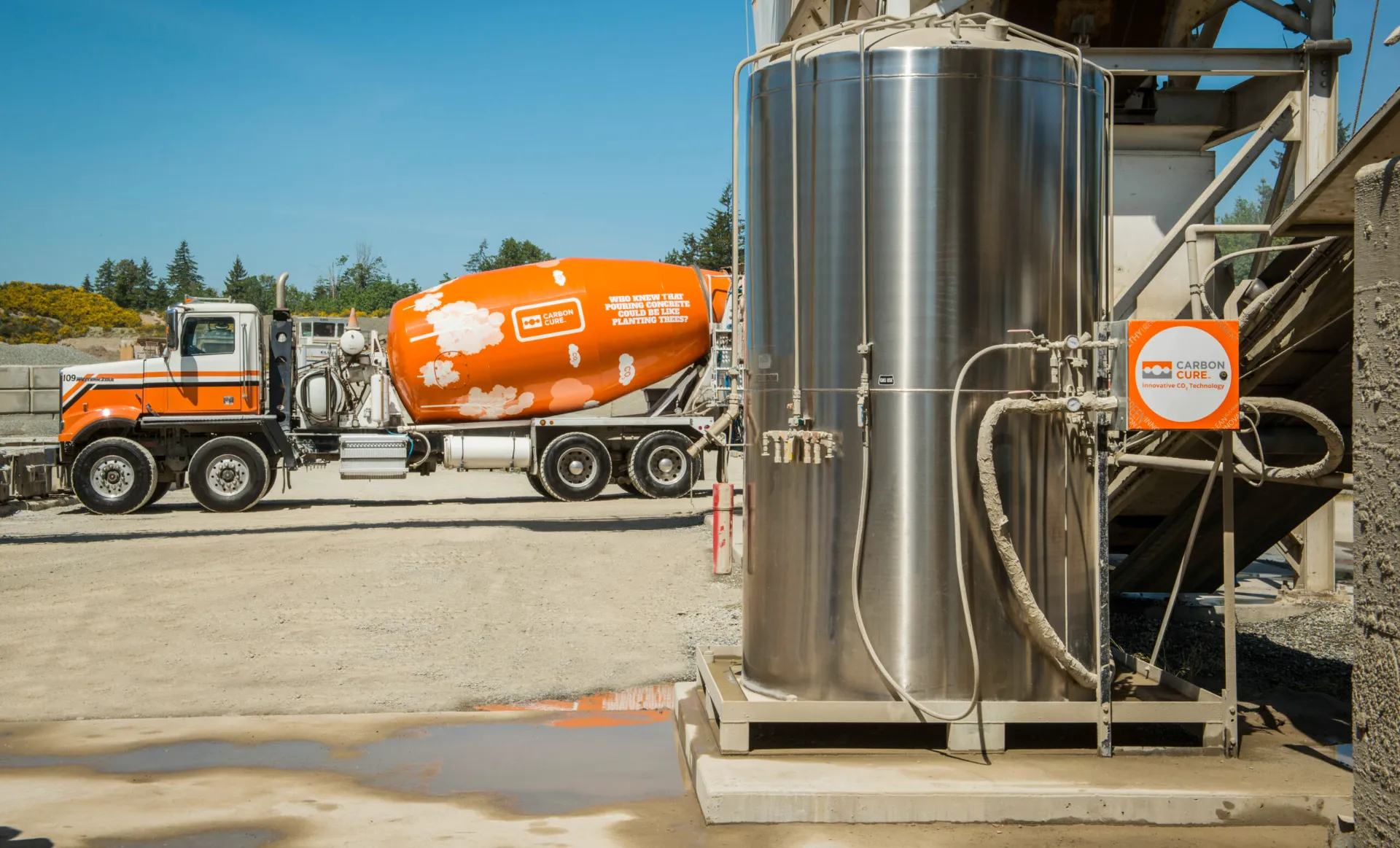
Founded in 2012 in Nova Scotia, CarbonCure Technologies has developed a breakthrough system that injects precise doses of captured CO₂ during concrete manufacturing. The gas mineralizes instantly, becoming permanently embedded in the material. This process not only reduces the carbon footprint but also improves the concrete’s compressive strength, allowing producers to reduce cement usage and further cut emissions.
CarbonCure’s long-term mission is to reduce and remove 500 million metric tons of CO₂ from the atmosphere annually.

To date, CarbonCure’s customers have delivered more than 3.5 million truckloads of concrete infused with its technology, avoiding over 226,000 metric tons of CO₂ emissions. Achieving these results requires complete visibility into the concrete lifecycle to identify every opportunity for efficiency.
“This perspective allows CarbonCure to examine the entire process and pipeline of concrete development to identify potential for efficiency in terms of reducing the carbon footprint,” said Brad Vickers, Sr. Director of Engineering.
CarbonCure’s equipment can be retrofitted into an existing plant in a single visit. The CarbonCure Valve Box connects to an onsite CO₂ tank, automatically injecting the correct dose into fresh concrete or reclaimed wash water. The Control Box integrates with plant batching software, providing real-time visibility into the manufacturing process.
“It’s a process that needs continuous innovation and deployment of hardware,” Vickers added.
Each CarbonCure installation is built as a distributed wireless system. Field units mounted near mixing equipment control the injection process and gather operational data, which is synced to CarbonCure’s command center in real time.
“We can easily see the status of the device, ensure that everything is working correctly, and monitor injection status,” said Stamadianos. “Seeing how much CO₂ goes into every batch of concrete, we can generate carbon credits. Using the data matched with batching information, we can analyze the mix design for its efficiency.”
To collect this data securely — especially from remote sites without internet access — CarbonCure turned to Soracom.
“Our hardware design partner, NeuronicWorks, had worked with Soracom in the past and pointed us to the company,” said Stamadianos. “I saw that with Soracom Beam, we could easily and readily configure the device to talk with an SSL connection. That made our security solution simpler because we no longer needed to manage certificates. Soracom also gave us the ability to use secure web sockets.”
With Soracom Beam, CarbonCure avoided the complexity of building and maintaining a VPN-based architecture, ensuring secure bidirectional communication between field devices and the cloud while supporting global scalability.

More than one million truckloads of concrete have now been delivered using CarbonCure’s system. In April 2021, the company won the NRG COSIA Carbon XPRIZE, a 54-month global competition for breakthrough carbon utilization technologies, and has since been recognized for its safety standards and role in major construction projects such as Amazon HQ2 and the LinkedIn Middlefield Campus.
“There’s a lot of potential to build infrastructure that helps CarbonCure scale past their existing PLC solution and create options to help both smaller and larger concrete producers become more sustainable,” said Stamadianos. “The solution that we have is strong, but we need to keep rolling it out and iterating upon it to fully maximize its potential. It’s about continually solving problems and ensuring that we have the hardware and software infrastructure to keep evolving.”
With Soracom as a connectivity partner, CarbonCure can focus on advancing its technology and expanding its reach to help the concrete industry meet the demands of a sustainable future.
Operating offshore oil and chemical plants requires constant monitoring, but keeping human inspectors on-site poses significant cost, safety, and logistical challenges. Transporting crews, often by helicopter or boat, is expensive and vulnerable to weather delays, while the work itself can be hazardous.
Mitsubishi Heavy Industries (MHI) identified an opportunity to reduce these risks by developing an autonomous inspection solution capable of collecting detailed operational data without requiring continuous human presence.
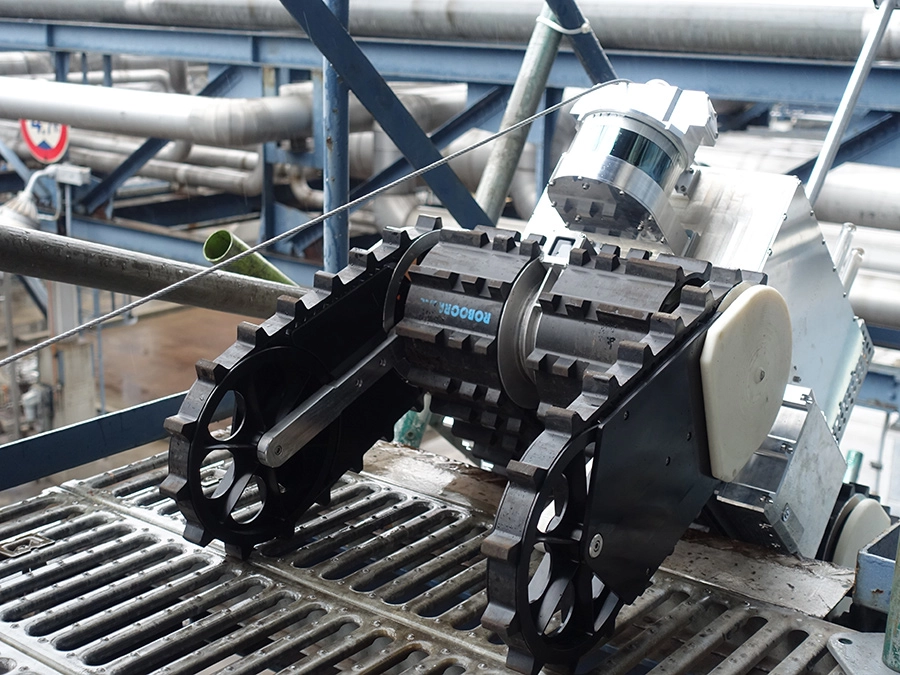
Originally designed in 2014 with Eneos Corporation for nuclear plant inspections, the EX ROVR ASCENT is a fully autonomous, explosion-proof inspection robot now also deployed in oil and chemical plants. Compact at 70 × 45 × 60 cm, it can navigate complex facilities, climb stairs, and operate a pneumatic arm equipped with microphones, multiple cameras, a thermal imaging unit, and a gas concentration sensor.
The robot transmits inspection data, including audio, visual, temperature, and gas readings, to the cloud, where operators can review it in real time. It can operate for two hours per battery charge, with 24/7 coverage possible using paired units.
Future versions are expected to autonomously determine when inspections are needed, further increasing operational efficiency.
The EX ROVR ASCENT required a communications system that could support both remote control and autonomous operation while securely transmitting sensitive industrial data. Rather than build a complex custom infrastructure from scratch, MHI leveraged AWS cloud services combined with Soracom’s IoT platform for end-to-end connectivity and security.
Soracom Air IoT SIMs provide reliable, global cellular coverage. Soracom Gate enables private, bi-directional LAN connections between deployed robots and remote control terminals. Soracom Beam and Soracom Funk handle secure routing and protocol conversion, transmitting telemetry data directly to AWS. The IoT SIMs themselves authenticate and authorize each device.
“We chose Soracom because their wide service area covered all of the countries where we planned to deploy the system, confidential information could be securely communicated through a closed network, and we could rely on extensive support,” said Naoki Mizuno, Equipment Design Section, MHI. “It is very reassuring to have a partner that so thoroughly understands the innermost workings of the EX ROVR ASCENT, and gives us appropriate advice.”
Soracom’s support helped MHI complete the project on schedule while reducing the system’s maintenance burden.

With Soracom managing all communication between the robot, remote terminals, and AWS, MHI has streamlined system architecture and positioned the EX ROVR ASCENT for scale.
The success of the project has sparked interest across MHI in applying Soracom-powered IoT solutions to other products. The company is now exploring ways to use deep learning and signal processing on collected data to detect, predict, and eventually respond to anomalies in real time.
“In addition to anomaly detection, we would also like to focus on how we can create more value from the data collected by sensors,” said Mizuno. “The world is shifting toward the cloud, which has the advantage of consolidating data in one place. This will make the use of data more valuable.”
In sectors like manufacturing, mining, construction, and chemical production, poor air quality can impact worker safety, productivity, and regulatory compliance, sometimes with severe financial and legal consequences.
The urgency has only increased in the wake of COVID-19, which has highlighted the dangers of airborne contaminants in enclosed spaces. Manual air quality monitoring can expose staff to hazards, and record-keeping errors risk both safety and compliance.
The solution? A continuous, reliable, automated monitoring system that can gather and transmit environmental data without requiring workers to enter dangerous or hard-to-reach areas.
Boston- and Seattle-based Charge Analytics delivers IoT-powered environmental and process monitoring systems designed for safety, efficiency, and simplicity.
Key capabilities include:
With over 25 years in pollution control, founder Ed Cline designed Charge Analytics systems for ease of installation, minimal upfront costs, and low subscription fees, ensuring industrial facilities can deploy quickly, scale affordably, and comply with environmental regulations without disrupting operations.
“Cellular connectivity is a critical component of our system. It enables important plant data to be available remotely, from the convenience of any device, anywhere,” said Ed Cline, Founder & Technical Director, Charge Analytics.
Many industrial sites are too remote for Wi-Fi, or have spotty coverage and security concerns even when wireless is available. Charge Analytics relies on Soracom Air for secure, multicarrier cellular connectivity that ensures devices can transmit data from anywhere to Azure.
Soracom delivers additional advantages:
The result is a cost-effective, scalable connectivity model that meets strict budget requirements without compromising performance.

Charge Analytics now helps industrial facilities and equipment manufacturers protect their workforce, comply with environmental regulations, and reduce operating costs through its cloud-powered IoT platform.
“Our turnkey systems provide valuable, reliable, and consistent predictive data,” says Gerry Kaelin, Director of Business Development. “Accurate plant data is securely delivered whenever or wherever it is needed. Uptime is maximized, while operating costs are minimized.”
The platform has eliminated the need for manual data logging, enabled monitoring in hazardous or remote areas, and delivered a clear, rapid return on investment for customers.
Looking ahead, Charge Analytics is developing a low-power LTE-M device capable of prolonged battery operation, potentially enhanced by Soracom Beam to enable lightweight protocols like UDP while delivering secure HTTPS to Azure.
With environmental pressures increasing and demand for automation rising, Charge Analytics is well-positioned to lead the next wave of Industrial IoT adoption.
The automotive maintenance experience has long been plagued by a lack of transparency, limited control for drivers, and unnecessary stress. From routine servicing to unexpected repairs, vehicle owners often have little insight into their car’s condition between visits to the shop.
Vehicle Mind was created to change that. The Canadian startup set out to modernize the car care industry by giving drivers real-time access to their vehicle’s health data and actionable maintenance alerts—helping them make informed decisions, avoid costly surprises, and keep their cars safer for longer.
“Vehicle Mind was born out of our own frustrations with the lack of control and transparency we experienced when maintaining our cars; not to mention the resulting stress it generated for us and our loved ones,” said co-founder Cialdella. “One thing became clear: the car care market was ripe for change.”
Vehicle Mind’s solution centers on a plug-and-play Hub that connects directly to a vehicle’s onboard diagnostics (OBD-II) port. Unlike Bluetooth-based systems, the Hub features built-in 4G connectivity, giving drivers remote access to their car’s data from anywhere, without needing to be physically near the vehicle or rely on a paired smartphone.
Through the Vehicle Mind app, users can:
This always-on connectivity ensures drivers can monitor their vehicles even when traveling, parking long-term, or leaving cars unused for extended periods.
To deliver these remote insights seamlessly, Vehicle Mind needed a connectivity partner capable of supporting thousands of devices with consistent performance. Soracom’s 4G service offered the ideal combination of coverage, reliability, and scalability to help Vehicle Mind maintain its competitive advantage.
“There’s a major competitive advantage that comes with offering drivers the ability to access their car’s data remotely vs having to stay next to your car to get any visibility on how it’s doing,” said Ghatpande. “People love that the Hub comes with its own 4G connection and it doesn’t have to rely on their phone being nearby to do its job.”

Since launching in November 2020, Vehicle Mind has seen rapid adoption, earning national press coverage, a steady stream of 5-star reviews, and growing revenue. The company is now expanding its offerings with:
With both private mechanics and major maintenance franchises on board, Vehicle Mind has positioned itself as a breakout service in the Canadian automotive market. The team is now preparing to bring the service to drivers in the United States, putting control and ownership back into the hands of car owners everywhere.
WHILL is a personal mobility device designed to go beyond traditional wheelchairs. With a sleek design, intuitive controls, and smooth ride, WHILL delivers independence and style to users who rely on it for everyday mobility. But the team behind WHILL knew that connectivity could take the device even further, unlocking advanced features and smarter services.
Integrating IoT into WHILL had been under discussion for some time. The team envisioned features such as remote diagnostics, data-driven safety enhancements, and personalized rider experiences. By connecting WHILL to the cloud, they could transform it from a standalone mobility device into a platform for continuous innovation.
However, the team came from hardware backgrounds in fields like cameras and mobile phones, with less experience in telecommunications and cloud infrastructure. On top of that, WHILL’s battery-powered design made every byte of communication matter, creating a unique challenge for bringing IoT functionality onboard.

When developing new features, WHILL’s team relied heavily on prototypes and demo units. These devices were often shared with early users, providing invaluable real-world feedback during the development process. But making backend changes required engineers to manually update each prototype in person—an inefficient and time-consuming step that slowed iteration.
This lack of flexibility meant it could take weeks to test new ideas at scale. Every system reconfiguration demanded physical visits to end users, leaving the team without a way to adjust devices dynamically once they were in the field. For a company focused on speed and innovation, this was a major bottleneck.
WHILL needed a system that would let them manage prototypes remotely, update settings on the fly, and streamline testing with real users. At the same time, any solution had to be designed around the strict energy constraints of a mobility device that depended on long-lasting battery performance.
To solve this, WHILL adopted Soracom Air for connectivity and SIM management, enabling devices to start and stop data communication remotely. By leveraging the Soracom API, WHILL could manage communications programmatically during manufacturing and shipping, reducing manual setup.
Minimizing data loads was equally important. With Soracom Beam, WHILL was able to convert lightweight UDP and TCP traffic into secure HTTPS requests in the cloud. This allowed them to send only small packet sizes from the device, with Soracom handling the heavy lifting of secure transfer to WHILL’s backend servers. The result was both efficient and secure communication.
Together, these services transformed development. Instead of requiring engineers to manually update each device, WHILL could make changes in the cloud and apply them seamlessly across the fleet. This reduced wasted time in the field, allowed more agile testing cycles, and protected device battery life.
The decision to use Soracom was driven by both efficiency and reliability. By shifting routing and conversion tasks into the cloud, WHILL was able to significantly cut the workload on the device itself. This approach led to a 30% reduction in battery consumption, a critical advantage for riders who depend on WHILL throughout the day.
Soracom’s flexibility also simplified system management. When content or server configurations changed, WHILL’s team could easily update routing in the cloud without touching devices in the field. This ability to toggle settings remotely made their development cycle more dynamic and responsive.
WHILL also discovered value in Soracom’s built-in identifiers. Instead of transmitting device serial numbers, an unnecessary use of bandwidth, they used IMSI IDs from each SIM along with timestamp features to identify and validate devices. This small change eliminated redundant data transfers and further optimized communications.

Looking ahead, WHILL plans to extend connectivity to new features that will enhance both safety and convenience for riders. By uploading GPS coordinates, battery levels, and diagnostic data, WHILL can monitor performance in real time and alert users to potential issues before they become problems.
The team also sees opportunities to use data to improve user experiences. From optimizing routes to providing timely service updates, connectivity will help WHILL deliver a smarter, more personalized mobility solution. These services could further empower riders with independence and peace of mind.
With Soracom as its IoT backbone, WHILL is well-positioned to scale quickly and adapt to customer needs. As the company continues to innovate, its combination of stylish design, intuitive controls, and smart connectivity promises to redefine what personal mobility can be.
Sharp developed an application called Sumokoco to improve event management by tracking assets and personnel in real time. By inserting Soracom Air SIM cards into smartphones, Sharp could transmit GPS data to the cloud and display object locations instantly on a map. This gave event organizers visibility into the movement of vehicles, staff, and other resources during large-scale operations.
The system proved particularly valuable for managing safety and logistics, where real-time situational awareness can reduce response times and improve coordination. For example, cars, motorbikes, and even individual staff members could be tracked across wide event spaces, ensuring operations ran smoothly and efficiently.
Since events are often short in duration and happen only a few times a year, Sharp needed a way to make this system affordable without requiring a permanent investment in infrastructure. That’s where Soracom’s flexible connectivity model played a critical role.

Unlike continuous industrial deployments, event monitoring has unique operational patterns. Sharp faced a challenge in sourcing a connectivity provider that could support high-bandwidth data during events while remaining cost-efficient during off-peak months when no activity was required.
Traditional cellular contracts often require ongoing payments, even when devices sit idle. For Sharp, this meant they risked paying for unused capacity between seasonal events. Such a model would make IoT-powered event management prohibitively expensive.
The solution required not only reliable cellular performance during active use but also a way to manage costs by suspending or reducing connectivity charges outside event periods. Without this flexibility, scaling Sumokoco across multiple events would not be sustainable.
Sharp partnered with Soracom to bring Sumokoco to life. Using Soracom Air, they were able to transmit real-time location data from smartphones to the cloud with low latency and high reliability. Because Soracom’s connectivity leverages existing mobile networks, Sharp didn’t need to invest in new infrastructure, lowering upfront costs.
Perhaps more importantly, Soracom allowed Sharp to activate communication only when needed, during development, testing, and live events. Once an event concluded, data transmission could be suspended, eliminating unnecessary charges. This “on-demand” approach gave Sharp the flexibility they needed while ensuring their IoT solution remained competitive.
By combining affordability, scalability, and ease of deployment, Soracom enabled Sharp to deliver a professional-grade monitoring service that could adapt to seasonal usage patterns without financial strain.
Soracom’s approach to IoT connectivity fit perfectly with Sharp’s seasonal use case. By enabling devices to send data only during active periods, Sharp avoided unnecessary costs and gained precise control over their connectivity spend.
Additionally, Soracom’s global reach means that Sharp can deploy Sumokoco across different regions without worrying about network compatibility or negotiating local carrier agreements. This helps expand the potential scope of their solution beyond domestic events.
In the future, Sharp also plans to integrate Soracom Beam into Sumokoco. By shifting encryption and protocol conversion from the device to the cloud, Beam will reduce the processing load on terminals, conserving battery life and extending device usability during long events.

Sharp is committed to continuously enhancing Sumokoco’s performance and usability. A key focus is reducing the battery consumption associated with transmitting data using MQTT and HTTP protocols. By offloading encryption and authentication to the Soracom platform via Soracom Beam, devices will consume less power while maintaining secure data transmission.
These improvements will extend the operating time of smartphones and IoT terminals during long events, making Sumokoco even more reliable for field staff and organizers. With battery life extended, event managers can focus on operations rather than device management.
Looking ahead, Sharp plans to scale Sumokoco to support larger and more complex event environments, further demonstrating how IoT can transform real-time monitoring and logistics management. With Soracom as a partner, they are well-positioned to expand both functionality and reach.
Asahi Glass Co. (AGC), a global leader in glass and chemical manufacturing, has long relied on data to improve its operations. For years, however, the methods for collecting and analyzing that data were highly manual. Supervisors and engineers often used photos, videos, paper logs, and stopwatches to capture workflows on the factory floor.
The data that was gathered typically lived in personal computers at each site. Rather than being stored in a shared environment, insights were often locked away in individual files, usually analyzed in Microsoft Excel. This siloed approach made it difficult to consolidate findings or apply them consistently across teams.
AGC recognized that while they had valuable information, their system for capturing and processing it was holding them back. To drive meaningful improvement, they needed a faster, more scalable way to acquire, analyze, and act on operational data.

AGC found that every stage of their improvement process – data acquisition, analysis, and action – required modernization. Data acquisition was too manual, analysis was too time-consuming, and supervisors often struggled to translate findings into effective improvements. The result was a cycle where valuable insights were delayed or never fully realized.
Leadership believed there had to be a better way to consolidate data and deliver insights directly to the people who could use them. The goal was not just to reduce effort, but to create a system where information was instantly available and actionable.
By rethinking their data strategy, AGC aimed to empower engineers and supervisors to spend less time gathering data and more time designing improvements. This would allow their teams to accelerate innovation and improve efficiency across manufacturing lines.
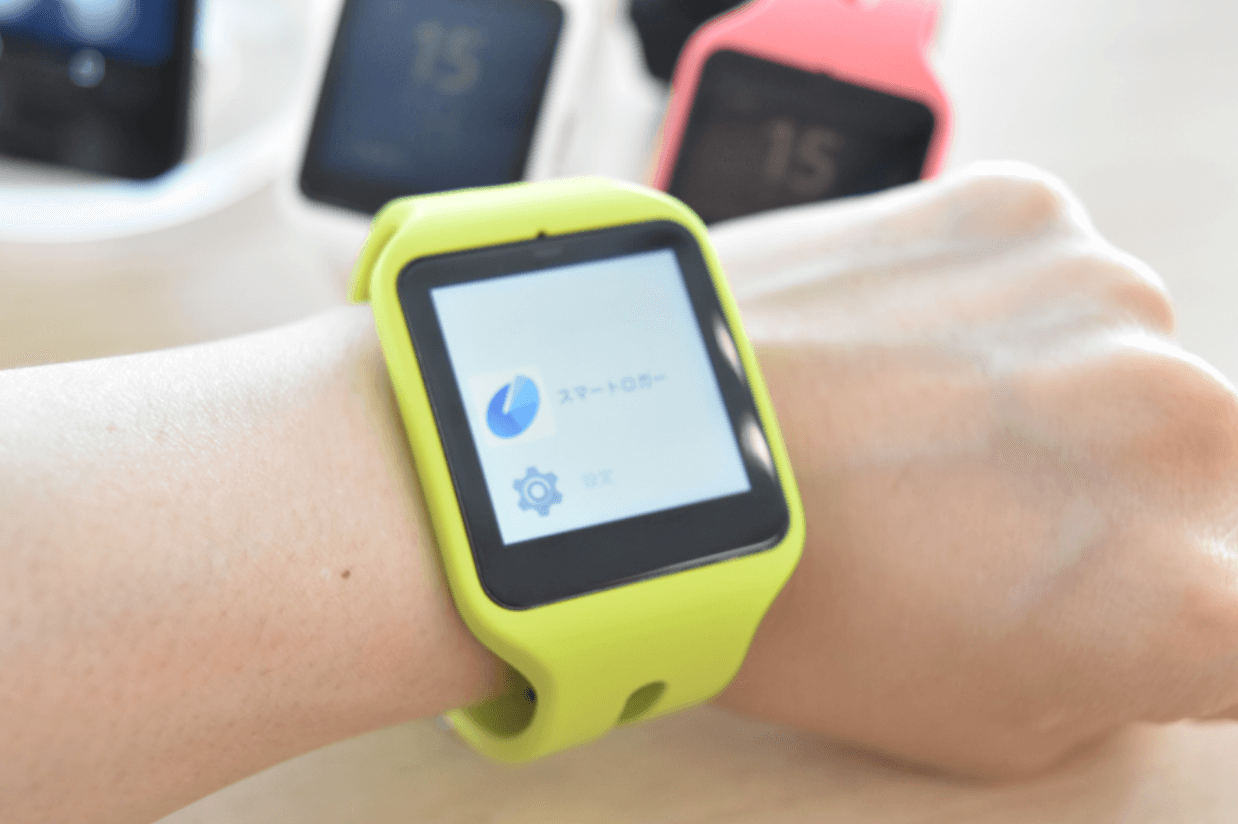
To achieve this, AGC developed a work dynamic analysis solution called Smart Logger in partnership with CEC Corporation. Workers and engineers were equipped with smartphones and IoT-enabled wearable loggers, such as smartwatches and glasses, that could automatically capture workflow data as tasks were performed.
The collected data was transmitted securely via Soracom Air, which allowed each device to connect directly to the cloud. From there, Soracom Beam encrypted transmissions, managed authentication, and routed the information to AGC’s business intelligence (BI) platform for visualization and analysis.
This new approach transformed the process. Data that once required hours of manual collection could now be consolidated instantly in the cloud. Supervisors could view dashboards, spot inefficiencies, and act on insights quickly, while engineers gained more time to focus on developing innovative solutions rather than collecting data.
AGC chose Soracom because it provided a connectivity solution that was both easy to deploy and cost-effective. By inserting Soracom Air SIMs directly into smartphones and wearables, AGC was able to connect devices immediately, without the need for complex networking infrastructure. This kept costs low and ensured the system could be rolled out quickly.
With Soracom Beam, AGC gained secure data transfer and flexible cloud integration. Rather than requiring devices to manage authentication themselves, Beam handled encryption and credentialing in the cloud, allowing devices to remain lightweight and efficient. This design reduced both overhead and battery consumption, making wearables more practical in a demanding factory environment.
Another advantage was global reach. With AGC operating factories overseas, Soracom’s international compatibility meant the same connectivity model could be applied across multiple geographies. This consistency simplified deployment and ensured that learnings from one facility could be extended across the company.

AGC believes that adopting IoT and cloud-based analytics is essential for building more reliable, stable, and efficient operations. While manufacturing often involves strict security requirements, AGC sees secure connectivity and cloud platforms as the best way to overcome these barriers and unlock new opportunities.
The company plans to expand its Smart Logger program beyond factories and into office environments. By equipping office workers with wearables, AGC hopes to capture new categories of data, particularly around value-added time, that can be used to improve workflows and productivity.
By continuing to integrate IoT into more aspects of its business, AGC expects to not only streamline existing operations but also foster a culture of continuous innovation. With Soracom providing the connectivity backbone, AGC is positioned to scale securely and efficiently across both manufacturing and office settings.
Parco, a popular chain of department stores, wanted to better understand how visitors move through their stores and engage with different areas. By gathering real-time data on customer traffic and location, the retailer could gain valuable insights to support sales and marketing strategies.
To explore these possibilities, Parco launched a pilot project at the Parco Museum. The initiative focused on collecting visitor information using image-sensing technology that could detect and analyze traffic patterns without storing or transmitting personally identifiable data.
This innovative approach gave Parco a new way to capture actionable insights while respecting customer privacy. By linking IoT technology with its existing operations, the retailer set the stage for smarter, data-driven decision-making.

As a competitive retailer, Parco needed a solution that was not only affordable but also highly secure. The company knew that the reliability of its connectivity would directly impact the success of its consumer analysis system.
Because the project involved collecting information derived from images, data protection and compliance were critical. While the system discarded specific images after sensing customer movement, Parco still needed to ensure that any transmitted information remained safe from outside threats.
At the same time, Parco wanted to avoid the limitations and risks associated with Wi-Fi networks, which can be difficult to secure and manage at scale. They needed a solution that offered secure, flexible, and cost-conscious connectivity right out of the box.
To meet these requirements, Parco turned to Soracom. By installing Soracom Air SIM cards into their IoT devices, the company was able to establish secure, cellular-based connectivity without any additional equipment. The ability to connect virtually anywhere gave them the flexibility to deploy quickly across multiple locations.
For transmitting data, Parco used Soracom Beam to handle protocol conversion. By converting HTTP to HTTPS in the cloud, Beam ensured that data could be sent securely to Amazon API Gateway without requiring additional relay servers. This also helped reduce device power consumption and data usage, streamlining the entire process.
Beam’s credential management and custom header functions were especially valuable. These allowed Parco to authenticate access to AWS at scale without requiring an individual authentication key for each device – saving significant time, cost, and operational complexity.
Soracom gave Parco the right combination of affordability, security, and scalability. With Soracom Air, they had reliable connectivity that could easily be deployed and managed across their devices. With Soracom Beam, they gained the ability to encrypt and transmit data securely, all while reducing power and bandwidth demands.
This comprehensive solution allowed Parco to implement authentication and data protection measures without compromising ease of use. Instead of investing in costly infrastructure or managing a complex set of device keys, they were able to manage everything directly in the cloud.
Ultimately, Soracom’s services helped Parco stay competitive while ensuring that their customer analytics project was both secure and cost-effective, a critical balance for a retailer operating in today’s fast-moving market.

Looking ahead, Parco plans to extend its consumer analytics system beyond the initial pilot. Future enhancements include customer tier analysis to better segment visitors and track repeat behaviors, as well as detailed route mapping to understand how customers move through different parts of the store.
By combining IoT data with marketing strategies, Parco hopes to refine promotions, optimize store layouts, and create more personalized shopping experiences. These insights will allow them to strengthen customer engagement while increasing operational efficiency.
With Soracom’s secure connectivity and data management tools, Parco has the flexibility to continue scaling its analytics capabilities and unlock even greater value from real-time customer data.
Wine is particularly sensitive to environmental changes, and even slight deviations in temperature, humidity, or light exposure can affect its quality. For wineries and distributors, ensuring that bottles are stored and transported under ideal conditions is essential not only for product quality but also for brand reputation.
The challenge lies in the complexity of the global supply chain. A single shipment of wine may travel across multiple countries, distributors, and retailers before reaching the end consumer. Each handoff represents a potential point of failure, making real-time monitoring and secure data transfer mission-critical.
For ISTMOS, creating a truly effective quality assurance system meant enabling every stakeholder, whether a local distributor or an international retailer, to access and trust consistent data across the entire supply chain. That required an IoT solution capable of delivering reliable connectivity worldwide.

To address this challenge, ISTMOS designed a system that integrates IoT gateways, environmental sensors, and a customizable decision support platform. These gateways continuously measure and record temperature, humidity, and luminosity, triggering alerts whenever conditions deviate from safe thresholds.
Each gateway is connected through Soracom Air SIMs, providing a secure cellular link that works across borders and networks. Once collected, sensor data is transmitted to the ISTMOS platform via Soracom Beam, which securely relays information while preserving critical metadata such as timestamps, device IDs, and geographic location.
With this system in place, wineries, distributors, and retailers gain continuous visibility into product conditions. From the moment a bottle leaves the vineyard until it reaches the consumer, ISTMOS ensures that any issue is detected early and addressed before it impacts quality.
For ISTMOS, data integrity and system reliability are non-negotiable. By leveraging Soracom Air, the company can easily provision and manage SIM cards, ensuring that new devices can be deployed quickly without complex setup. The global reach of Soracom’s network also allows ISTMOS to scale its solution internationally with confidence.
Meanwhile, Soracom Beam streamlines the process of securely transmitting IoT data from devices to the cloud. This not only reduces development overhead but also ensures that sensitive information travels safely, giving stakeholders peace of mind.
The combination of Soracom’s connectivity and management tools allows ISTMOS to operate efficiently at scale, reducing operational overhead while focusing on delivering a reliable, AI-supported monitoring solution for the global wine supply chain.

As a growing startup, ISTMOS continues to innovate by expanding its system capabilities and exploring additional Soracom services. With interest in extending beyond wine into other high-value goods, the company sees enormous potential for IoT-enabled supply chain management.
Future plans include testing services such as Soracom Endorse for authentication, Soracom Funnel for direct cloud integration, and Soracom Gate for building secure private networks. By incorporating these tools, ISTMOS aims to further enhance transparency, scalability, and security across its platform.
With Soracom as a trusted partner, ISTMOS is well positioned to scale its solution across industries and ensure that products sensitive to environmental conditions maintain quality throughout their journey.