
Moving Toward Seamless IoT: How SGP.32 Addresses Critical Connectivity Gaps

Why SGP.32 Changes Everything for IoT
- Bridging the Gap: SGP.32 addresses the limitations of previous standards by replacing manual consumer activation flows and heavy M2M protocols with an automated, “headless” architecture designed specifically for industrial IoT devices.
- Optimized for Constrained Devices: The standard introduces lighter-weight protocol options like CoAP and UDP, which allow for more efficient profile management and reduced power consumption on battery-dependent NB-IoT and LTE-M hardware.
- Reduced Architectural Lock-In: By utilizing the eIM (eSIM IoT Remote Manager), enterprises gain a more standardized technical path to switch providers or localize connectivity, helping to navigate regional roaming restrictions and evolving global regulations more effectively.

For years, the promise of a flexible, global eSIM solution for IoT has been tempered by technical and architectural hurdles. While the idea of a single, soldered chip capable of switching carriers at will is compelling, the practical reality has often been complicated.
Historically, developers have had to navigate the trade-offs between SGP.02 (M2M), which can be heavy to manage, and SGP.22, which requires a user-driven activation flow – a significant challenge for “headless” industrial devices. SGP.32 represents the latest effort by the GSMA to bridge these gaps, offering an architecture more aligned with the specific requirements of the IoT ecosystem.
Understanding the Limitations of Legacy Standards
To see where SGP.32 adds value, we have to look at the constraints of previous specifications:
- The Power and Protocol Gap: SGP.02 (M2M) relies heavily on SMS and HTTPS. This presents challenges for NB-IoT and LTE-M devices operating under strict battery and memory constraints.
- Architectural Friction: Under older standards, switching a Subscription Manager (SM-SR) can be a complex and costly process. This creates technical barriers that often discourage enterprises from attempting global scaling.
- The Manual Barrier: SGP.22 was designed for consumer hardware, assuming a user is present to scan a QR code or approve a download – an impracticality for fleet deployments in remote or industrial environments.
How SGP.32 Improves the Landscape
SGP.32 introduces a more automated, remote management architecture designed to better accommodate the diversity of the IoT ecosystem.
1. More Efficient Protocol Options
SGP.32 expands the toolkit for constrained devices by supporting lighter-weight protocols like CoAP (Constrained Application Protocol) and UDP. By adding these options, the standard allows for better-optimized data packet delivery and lower power consumption during profile management—features essential for devices where battery life is measured in years.
2. Enhancing Flexibility via the eIM (eSIM IoT Remote Manager)
The core technical shift in SGP.32 is the eIM. This functional entity acts as a standardized manager that can be onboarded to a device to orchestrate profile delivery. While it doesn’t eliminate vendor lock-in entirely (commercial agreements and ecosystem support remain factors), it significantly reduces architectural lock-in. This makes it technically easier for enterprises to manage their connectivity providers over the long term.
3. Support for Localization Strategies
As permanent roaming restrictions tighten in various global markets, the ability to localize connectivity has become more critical. SGP.32 simplifies the technical path to localization. While compliance still depends on local regulations and the availability of operator profiles, the SGP.32 framework provides a more streamlined way to push local credentials to a device, helping operators manage regional connectivity requirements more effectively.

The Road Ahead: A Pragmatic Transition
Market analysts expect significant adoption of SGP.32 as it moves toward commercial maturity through 2026 and beyond. While it is not a “magic bullet” that guarantees uptime or compliance on its own, it provides the technical foundation needed to manage large-scale fleets more efficiently than previous generations of eSIM technology.
Looking Ahead: Implementation is Everything
The real-world efficacy of SGP.32 will depend on execution. True flexibility requires not just the technical standard, but a healthy ecosystem of interoperable partners and transparent commercial terms.
At Soracom, we are focused on integrating these technical advancements into a cohesive platform that helps manufacturers reduce complexity and focus on their core product. SGP.32 is a major step forward, and we are here to help you navigate the transition as the ecosystem matures.
Is your team evaluating a shift to SGP.32? Contact Soracom today to learn how our global IoT SIMs and hybrid connectivity solutions can help you prepare your deployment for the next step.


MORE LIKE THIS




What is Soracom?
Discover why technology innovators choose Soracom for connecting their
devices to the cloud over cellular.
Soracom's Picks
Advices and interviews, to inform and inspire.


Moving Toward Seamless IoT: How SGP.32 Addresses Critical Connectivity Gaps
Why SGP.32 Changes Everything for IoT For years, the promise…
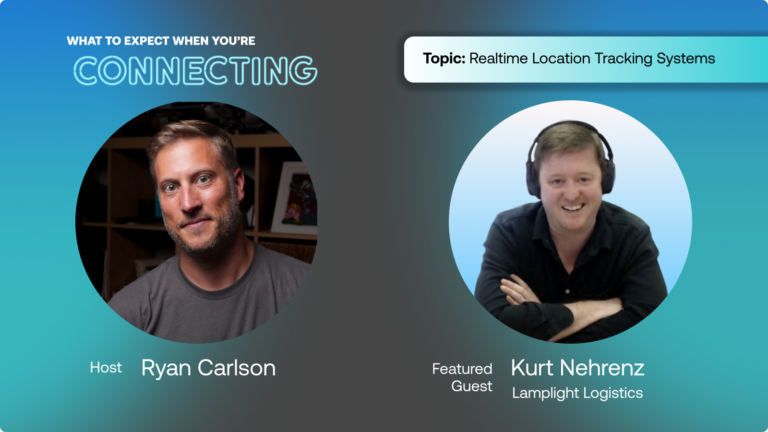
[Podcast] No More Dark Spots: Mastering RTLS and Asset Tracking with Lamplight Logistics
Building in IoT is never a straight line. Welcome back…

Connectivity on Day One: Why Cellular is the Bridge to Permanent Work Site Infrastructure
TL:DR Consistent connectivity has become a non-negotiable pillar of the…


Cloud Native
IoT Connectivity Platform
Soracom built the worlds first cloud-native connectivity management platform, built on AWS. Learn more about going beyond connectivity.