SST Wireless began its journey in 2004, earning recognition in the New Ventures BC Competition for a novel IoT-based tire monitoring system designed for passenger cars. While the technology was promising, the company quickly recognized that the passenger vehicle market was crowded and competitive, with many players pursuing similar approaches.
Rather than join the race for consumer adoption, SST Wireless pivoted to focus on industries where ruggedness and reliability were essential. By tailoring its advanced heat, pressure, and vibration sensors to withstand harsh industrial environments, the company found a powerful niche where few competitors could match its combination of performance and cost-efficiency.
Today, SST Wireless offers a broad portfolio of high-performance monitoring solutions. These sensors are now helping operators in mining, transportation, and other heavy industries reduce maintenance costs, extend asset life, and optimize safety without the complexity and expense of traditional wired monitoring systems.
“Our goal has always been to make rugged monitoring solutions practical and affordable for industries where reliability is critical.”
Omar Jabara
Director of Business Development
SST Wireless
Challenge: Harsh environments, high costs
Mining provides a clear example of the challenges that SST Wireless set out to solve. Surface mine operators rely on massive haul trucks to transport rock and ore, often in extremely demanding conditions. Tires on these trucks can cost upwards of $80,000 each, and because of terrain, heat, and payload stress, they are prone to premature wear and failure. For many operators, tire replacement accounts for nearly a third of all operating costs.
The scale of this challenge is global. Mines across Canada, Chile, Mexico, South Africa, and Mozambique face similar issues, with maintenance often representing one of the largest line items in the budget. Unplanned downtime from equipment failure doesn’t just increase costs, it directly impacts production and safety.
Beyond mining, fleets in the industrial transportation sector face parallel challenges. Trucks, buses, and trailers are frequently subjected to long hauls, heavy loads, and variable environments. Without accurate, continuous monitoring, operators are left exposed to costly breakdowns and inefficient preventive maintenance schedules.
Solution: Rugged IoT sensors for predictive insight
SST Wireless addressed these challenges by designing rugged wireless sensors capable of monitoring equipment under the harshest conditions. Their product line includes tire pressure and temperature sensors, vibration monitors, and high-heat detection devices that can withstand the extreme demands of mining and industrial transport.
One of the system’s most valuable features is its ability to provide real-time condition data. By combining wireless sensors with LTE connectivity, operators can receive automated tire pressure readings every time a rig hooks up to a trailer, or monitor heavy-duty trucks as they travel between worksites. This eliminates the guesswork from maintenance decisions and enables predictive servicing.
The results are significant. Mining operations using SST Wireless solutions have reported savings between $5 million and $10 million annually. In addition, equipment life has been extended, unplanned downtime reduced, and operational safety improved. Major industry brands, including Kal Tire, Translogik, and AM Bromley, have already adopted the technology, and SST Wireless is pursuing partnerships with global manufacturers like BYD, Volvo, Daimler, and New Flyer Industries.
Why Soracom: Connectivity designed for the field
To ensure reliable operation, SST Wireless needed a connectivity solution that would work across long distances, in remote locations, and within rugged environments. Wi-Fi and Ethernet lacked the coverage and resilience required, while PLC-based systems proved complex and costly to deploy.
Soracom’s LTE connectivity offered a simple and effective alternative. By building Soracom connectivity into their sensors and gateways, SST Wireless could ensure seamless communication across diverse work sites. Whether underground, remote, or in motion, operators receive accurate, real-time condition data that drives smarter maintenance decisions.
In addition, Soracom’s user console gives SST Wireless the visibility needed to manage every device in the field. This capability has simplified deployment, reduced overhead, and allowed the company to scale quickly across multiple industries and geographies.
Future Plans: Accessible IIoT for every operator
Historically, most equipment monitoring solutions have been designed for large enterprises with significant budgets and in-house expertise. These systems are often complex, require third-party integration, and demand long-term investments that put them out of reach for smaller organizations. As a result, fewer than 5% of SMBs have adopted IIoT monitoring, despite facing the same operational challenges as larger players.
SST Wireless is determined to change that. The company is developing a new generation of industrial IoT solutions that combine rugged sensors with plug-and-play LTE modules. These solutions can be installed in minutes, making advanced equipment monitoring accessible to organizations of any size.
By dramatically lowering the cost and complexity of IIoT adoption, SST Wireless aims to empower businesses of all scales to extend equipment life, optimize safety, and improve efficiency. The company’s vision is clear: condition monitoring shouldn’t be limited to the largest operators, it should be available to everyone.
About: Real-time insight for energy producers
Founded in 2014 in Calgary, TOKU Systems set out with an ambitious mission: bring real-time clarity to one of the world’s most complex and capital-intensive industries. With a $2 trillion global market, oil and gas represents both an opportunity and a challenge, one where small improvements in efficiency or reliability can translate into massive economic gains.
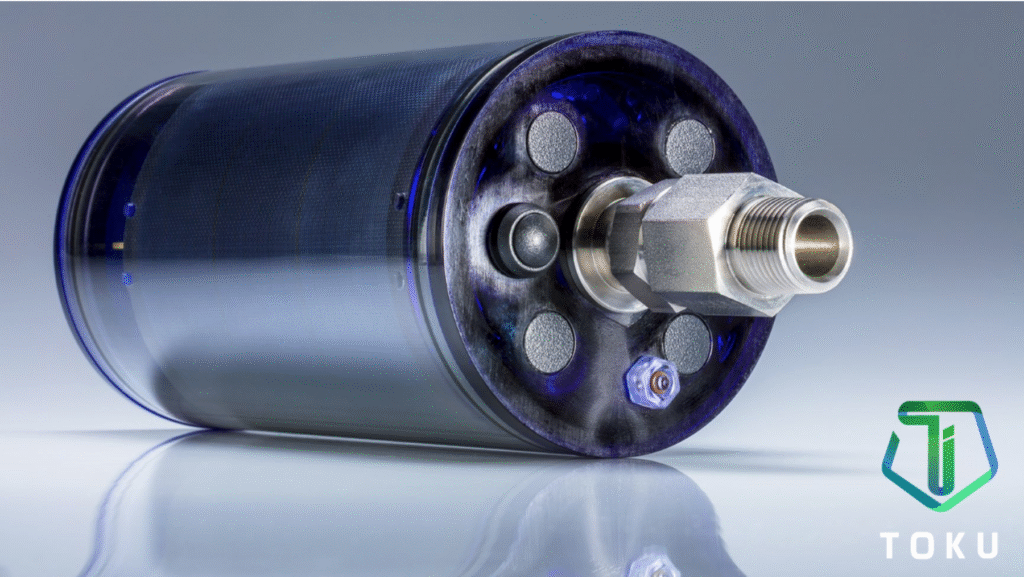
At the heart of TOKU’s approach is an advanced pressure-sensing device that can be installed in minutes to capture continuous, second-by-second data. These sensors, combined with an intuitive monitoring platform, give operators unprecedented visibility into the health of their wells, tanks, and pipelines.
By bridging the gap between 19th-century infrastructure and 21st-century demands, TOKU is transforming how energy producers manage critical assets. Their technology helps operators predict issues before they escalate, reduce field costs, and increase production capacity, all while maintaining safety and compliance standards.
Challenge: 20th century infrastructure; 21st century demands
Oil and gas producers remain central to the global energy supply, fulfilling 80% of daily demand through a vast web of pipelines and production sites. Yet much of this infrastructure dates back decades, and in many cases, monitoring technology simply hasn’t kept pace. An estimated 90% of oil wells lack automated monitoring, and the same is true for most of the industry’s millions of miles of pipelines.
This creates both risk and inefficiency. Leaks and failures in remote areas can go undetected for long stretches, while human-led inspections consume time and money without delivering continuous visibility. At the same time, market volatility, demographic shifts, and the rise of renewable energy have squeezed the industry’s labor force, which contracted by nearly 25% between 2014 and 2019.
Traditional SCADA systems offer some relief, but they are notoriously expensive and difficult to scale across such vast networks. The industry needed a monitoring solution that could deliver real-time data, be installed quickly, and provide actionable insight without adding new operational complexity.
Solution: Powerful, affordable asset monitoring
TOKU’s breakthrough was to design a sensor that was not only technically advanced but also easy to deploy. Their patented industrial pressure sensor can be installed and configured in as little as 10 minutes, a fraction of the time required for traditional monitoring systems. Once in place, the device captures second-by-second pressure readings and transmits them securely via cellular networks.
The sensor’s design is self-sustaining, featuring a 360-degree solar panel that ensures continuous operation without manual intervention. This allows operators to install sensors in even the most remote and difficult-to-access locations, confident that they will continue transmitting high-resolution data.
All information flows into Illumass, TOKU’s web-based data platform, which operators can access on any device. Illumass not only displays real-time pressure data but also triggers instant alerts for abnormal conditions like potential leaks. This reduces reliance on costly manual inspections, supports operators tasked with overseeing hundreds of wells, and enhances both safety and efficiency in field operations.
Why Soracom: Global capability and ease of use
As TOKU began expanding internationally, they needed a connectivity solution that could scale with them. In Indonesia, testing revealed a significant problem: local SIMs often took too long to connect or required credentials like usernames and passwords. While that approach works fine for mobile phones, it rendered IIoT devices effectively unusable.
Soracom solved this challenge with multicarrier connectivity, allowing TOKU sensors to connect seamlessly across multiple networks without manual intervention. This not only ensured reliable coverage but also simplified deployment logistics in diverse markets. For an industry spread across remote and rural areas, that capability was essential.
Thanks to Soracom’s reliability and ease of onboarding, TOKU quickly saw the benefits and began planning broader rollouts. With successful deployment in Indonesia, TOKU now expects to expand its Soracom-powered systems into major markets worldwide, including the United States.
Future Plans: Enhanced capability for enhanced operational insight
TOKU’s vision extends far beyond its current offering. The company is developing a “plug-and-play” version of its pressure sensor that supports additional sensing modules, giving operators even more ways to capture field data. This modular design will allow flexibility for monitoring a wider range of conditions while keeping deployment simple.
On the software side, TOKU is working to integrate third-party analytics tools directly into the Illumass portal. By combining their high-resolution data with advanced analytical models, they aim to deliver even deeper operational insights to producers, from predictive maintenance to optimized production strategies.
With every new development, TOKU remains focused on its original mission: helping the oil and gas industry operate more safely, more efficiently, and more sustainably. By putting real-time data into operators’ hands, TOKU ensures that even the most remote assets are visible, predictable, and better managed.
Supporting critical equipment
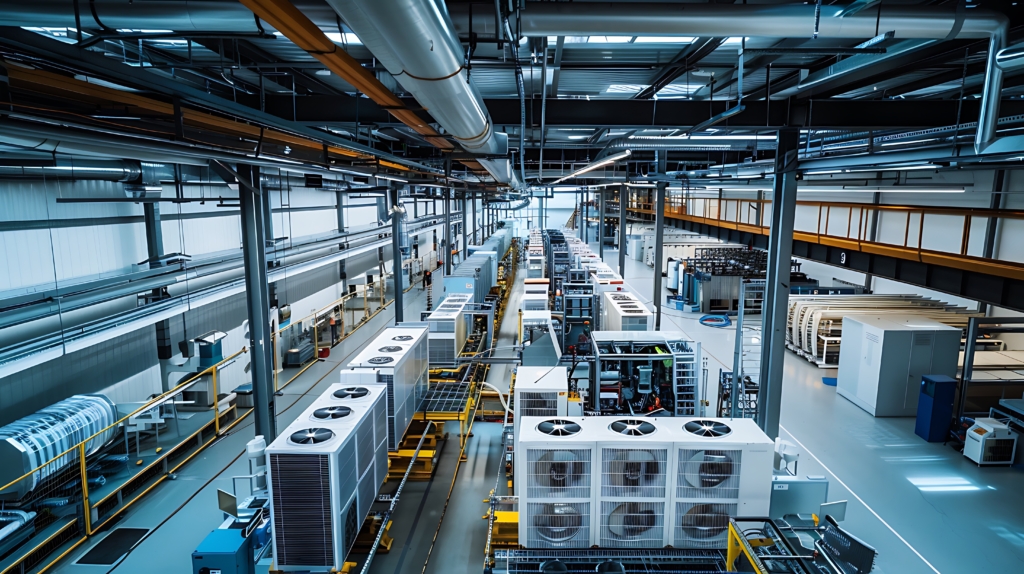
Meiko Equipment specializes in refrigeration, air conditioning, and automatic control systems used across industries like supermarkets, agriculture, and fisheries. Because this equipment is critical to business operations, Meiko traditionally performed maintenance within weeks of delivery, ensuring performance before handing systems off to clients.
While this model worked, it wasn’t optimized for long-term efficiency. Maintenance schedules were fixed rather than based on real-time equipment performance, meaning potential issues were often discovered too late. Small businesses in particular lacked access to predictive monitoring, which was typically limited to larger enterprises able to afford expensive remote systems.
Meiko wanted to change this dynamic by creating a cost-effective way to monitor refrigeration and HVAC equipment remotely. Their goal was to empower even small and mid-sized businesses with the same predictive maintenance capabilities that larger competitors had already adopted.
The limits of manual and local monitoring
To make predictive maintenance possible, Meiko needed to track variables like temperature, humidity, and pressure within refrigeration and air conditioning systems. By analyzing these values in the cloud, they could detect early warning signs of failure and trigger alerts for preventive action.
The team already had experience using BI tools and knew they wanted a dashboard to display findings. What they lacked was a reliable and secure way to collect data from the equipment in the first place. Connectivity quickly became a major challenge. WiFi might have worked in some customer environments, but sharing networks with store staff or customers introduced security risks that made it unsuitable for sensitive industrial data.
Beyond connectivity, Meiko also needed to solve for data compatibility. Many of their sensors relied on analog signals like 4–20 mA outputs, which would need to be converted into a digital format before they could be transmitted and analyzed over the Internet.
Building an IoT-enabled prototype
Meiko found a solution by combining their expertise with Soracom’s IoT platform. Using the Grove IoT Starter Kit, complete with microcomputer, sensors, and a cellular connectivity module, they built a prototype capable of capturing sensor data directly from HVAC and refrigeration units.
Once collected, the data was transmitted securely to the cloud via Soracom Air. From there, Soracom Harvest provided simple data storage and visualization, eliminating the need to maintain separate servers or databases. This streamlined approach allowed Meiko to quickly move from prototype to production without a heavy infrastructure investment.
To make the system accessible to customers, Meiko added Soracom Lagoon, which transformed Harvest data into shareable dashboards. By logging into a web console, customers could see real-time performance data from their equipment, gaining transparency and peace of mind while giving Meiko the ability to act on anomalies proactively.
Why Soracom?
For Meiko, Soracom offered a way to deliver predictive maintenance as a practical service, not just an enterprise luxury. By using Soracom Air for connectivity, they avoided the risks of relying on shared WiFi networks while maintaining control over security and reliability. Deployment was fast and cost-effective, making the solution viable for smaller businesses.
The integrated services of Soracom Harvest and Soracom Lagoon further simplified operations. Harvest eliminated the need for dedicated servers, while Lagoon gave Meiko an easy way to share dashboards directly with customers. This not only reduced IT complexity but also enhanced customer engagement by making monitoring data easily accessible.
Altogether, Soracom provided the connectivity, scalability, and security that Meiko needed to expand its service model. What started as a prototype quickly became a foundation for delivering ongoing value to clients of all sizes.
Future Plans
Meiko sees connected services as a critical way to respond faster to customer needs. With IoT monitoring in place, their maintenance teams can identify issues as they arise, rather than waiting for equipment failures to trigger service calls. This reduces downtime for customers while strengthening Meiko’s role as a proactive partner.
Over time, Meiko plans to expand the system’s reach by supporting more equipment models and additional communication protocols. While the initial rollout focused on analog 4–20 mA sensor outputs, future versions will include Modbus RTU with RS-485 interfaces, broadening the range of devices that can be monitored.
By extending predictive maintenance to more customers, Meiko is helping small and medium-sized businesses reduce costs, improve reliability, and access insights once reserved for larger enterprises. With Soracom as a backbone, they are positioned to scale their monitoring services efficiently and securely.
About: Can trees tell us what they need?
Most precision agriculture solutions rely on soil-level sensors to monitor moisture, nutrients, and field conditions. Saturas, an agtech innovator based in Israel, went deeper – literally – embedding sensors directly into trees to capture data on their real-time water status.
The company’s miniature sensor technology, designed specifically for orchard crops, provided growers with continuous insight into Stem Water Potential (SWP), a scientifically recognized measure of plant stress and a practical tool for irrigation management.
By integrating these readings into a cloud-based decision support system, growers could optimize irrigation in ways that improved plant health, increased yields, and conserved scarce water resources.
Challenge: Growing more while using less
Fruit and nut orchards represent both an economic powerhouse and a major challenge for water sustainability. In California alone, almonds account for around 10% of the state’s total water use. Faced with high-value but thirsty crops, many growers historically leaned toward overwatering “just to be safe.”
The problem is that this safety margin comes at a cost. Excess irrigation wastes water, increases the risk of runoff-related soil contamination, and can even reduce crop quality by encouraging disease or diluting nutrient concentration.
With limited and imprecise measurement systems, growers lacked the tools they needed to manage irrigation precisely, leading to a cycle of inefficiency at a time when water scarcity and climate pressures made smarter management more urgent than ever.
Solution: Better measurement for better health
Stem Water Potential is often described as the plant equivalent of blood pressure: a direct, reliable indicator of stress. Historically, it could only be measured manually with equipment dating back to the 1960s, an impractical solution for large-scale or continuous monitoring.
Saturas’ StemSense™ sensor solved this challenge by embedding directly into the tree and transmitting continuous SWP readings via cellular IoT. This gave growers something close to a plant scientist in every orchard, offering moment-to-moment visibility into water stress and plant health.
Crucially, the system also supported strategic use of controlled water stress. In almonds, for example, carefully timed moderate stress reduced fungal disease during hull split; in prunes, it encouraged sugar accumulation pre-harvest; in walnuts, it reduced the risk of root disease. These benefits meant growers could not only save water but also improve yield quality and market value.
Why Soracom: Centralized management and cost savings
When Saturas began U.S. field deployments, they initially tried working with a large telecom provider. But issues with billing, SIM management, and overhead quickly became barriers to scaling. One month, usage notifications even ended up routed to the trees themselves.
Switching to Soracom streamlined operations. Soracom’s management console gave the team a single interface to monitor all sites, check data usage, and track SIM status. Just as importantly, Soracom’s pay-as-you-go pricing aligned with real-world agricultural deployments, where seasonal usage patterns vary dramatically.
“Soracom allows us to manage and monitor all our sites on one platform, and check the data usage and activity status of each site in one interface. Furthermore, Soracom’s pay-as-you-go approach reduced our costs dramatically. The model of paying only for the data we use works very well for us.”
Anat Bujanover
General Manager, California
Saturas
The Bigger Picture: Precision irrigation for a water-scarce world
Although Saturas itself ceased operations in 2023, the challenges it addressed remain more relevant than ever. Orchard crops continue to represent billions in economic value and a disproportionate share of agricultural water use, particularly in regions like California’s Central Valley.
The lessons of Saturas’ approach – direct plant monitoring, continuous cellular data collection, and targeted irrigation management – show how IoT can help agriculture grow more with less. By measuring and managing water stress at the plant level, growers can reduce waste, improve fruit quality, and make better use of every drop of water.
As global agriculture confronts intensifying water scarcity and climate change, precision irrigation powered by IoT connectivity will remain a cornerstone of sustainable farming, helping farmers protect yields, protect resources, and protect the future of food.
The Opportunity: Helping owners love their pools again
People have been enjoying pools for thousands of years – and struggling with maintenance for just as long. With more than 10 million residential pools and 300,000 public pools in the U.S. alone, that adds up to a lot of wasted time, money, and chemicals.
Sutro founder Ravi Kurani grew up in the pool industry and saw firsthand how the burden of constant maintenance can take the joy out of ownership. Drawing on experience in water monitoring systems for rural communities, he knew IoT technology could eliminate the guesswork, reduce waste, and bring peace of mind to pool owners everywhere.
“Soracom gave us the tools to move fast, scale confidently, and deliver a secure, reliable product for our customers.”
Ravi Kurani
Founder and President
Sutro
The Solution: Smart monitoring in a simple package
The Sutro Smart Monitor floats in a pool or spa, quietly measuring water quality around the clock. Hidden inside its minimalist design are advanced sensors that track key chemical values like pH, chlorine, and alkalinity.
Data flows to the Sutro hub and up to the cloud, where Sutro’s AI makes recommendations in real time. Through the Sutro app, owners know exactly when and how to add chemicals, customized to their preferred pool chemistry. And if help is needed, Sutro’s partner network is just a tap away.
Why Soracom: Reliable connectivity, built for scale
Not every pool is within Wi-Fi range, and institutions like gyms, schools, and hotels often can’t provide network access. Soracom Air ensures Sutro devices stay connected anywhere with reliable cellular coverage.
But connectivity is only part of the story. Sutro also uses Soracom Krypton to handle secure, remote device provisioning and credential management. This not only accelerates manufacturing and deployment but also ensures compliance with California’s IoT security requirements.
The Future: From pools to public water systems
Sutro is committed to making pool ownership easier and safer, starting with its Summer 2019 product launch. But the opportunity goes far beyond pools and spas.
Sutro’s patented sensor technology can be adapted to monitor water quality anywhere it matters, from municipal reservoirs to irrigation systems. Looking ahead, Sutro aims to ensure not just safer swimming, but safer drinking and farming worldwide.
A local team with global impact
Nectar was founded in 2015 by Montréal-based designer and beekeeper Marc-André Roberge. What began as a personal project to support a new generation of urban beekeepers quickly revealed a much larger opportunity. Roberge recognized that the same connected technology that could help hobbyists manage a few hives in the city might also transform the way commercial beekeepers operate across thousands of hives.
Since then, the company has grown into an international player in precision beekeeping. Today, Nectar connects more than 1,500 hives across the US and Canada, equipping beekeepers with purpose-built sensors and analytics tools that dramatically improve visibility into hive health. With over 15 million bees now connected, the company has already demonstrated the ability to reduce operational costs while improving productivity and survival rates.
As demand for pollination continues to increase worldwide, Nectar’s mission has expanded from its local roots to a global vision. By combining field experience with innovative technology, Nectar is positioning itself as a key contributor to food security and agricultural resilience around the world.
“Managing hives often means moving them across huge rural areas where Wi-Fi or wired networks simply aren’t an option. Soracom’s global SIM makes connectivity one less thing for us to worry about, it just works wherever our bees are.”
Nectar Team
Nectar
Challenge: A crucial link in the global food supply chain
Honey bees pollinate nearly a third of the crops humans rely on, from fruits and nuts to vegetables and grains. In economic terms, this pollination represents more than $200 billion USD in value every year. Beyond numbers, bees make possible the growth of nutrient-dense foods that are essential to healthy diets around the world.
Yet for decades, bee populations have been in sharp decline. In North America and Europe, colonies have been dying in large numbers for more than 20 years, with annual losses still estimated at 30% or more. The causes are complex and varied, from pesticides and parasites to climate stress and changing land use, but the result is the same: fewer bees, weaker hives, and reduced pollination capacity.
For commercial beekeepers, this creates both a challenge and an opportunity. Protecting colonies requires early detection of stressors and timely intervention, but traditional monitoring methods rely heavily on manual inspection. This is time-consuming, labor-intensive, and often comes too late to prevent damage. The industry needs new ways to “listen” to hives in real time and respond before small issues become catastrophic losses.
Solution: A new level of communication between beekeeper and hive
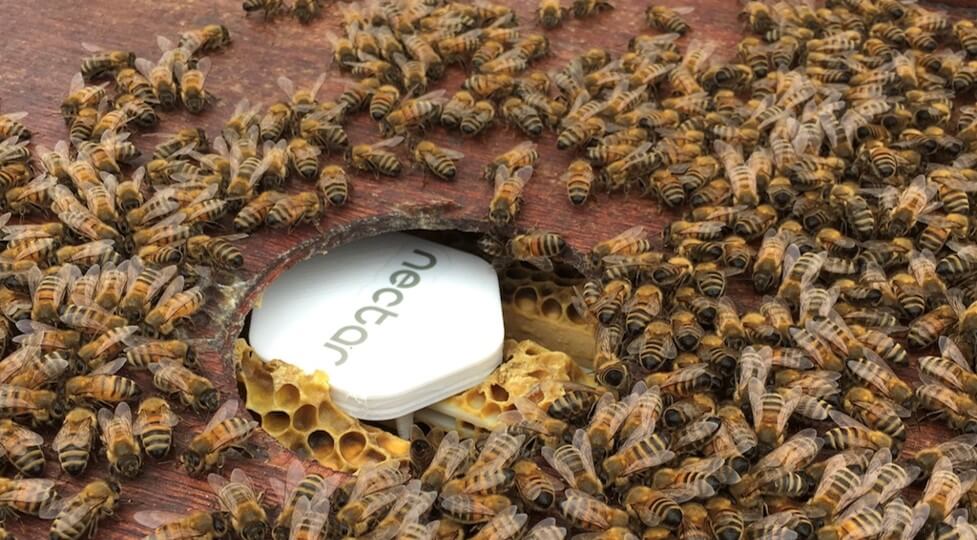
Nectar developed its wireless “Beecons” to provide exactly this capability. Installed directly in the hive, these sensors track conditions such as temperature, humidity, movement, and even sound. Data from multiple hives is then collected by solar-powered BeeHubs and transmitted to the cloud, where Nectar’s analytics platform interprets the results.
This constant flow of information gives beekeepers a clear picture of hive activity and health. They can monitor honey production, identify when a queen goes missing, predict swarming behavior, and detect environmental changes that could threaten colony survival. Instead of reacting to problems after they occur, beekeepers gain the ability to prevent them.
More advanced applications extend these benefits even further. By combining real-time sensor data with algorithms developed by experienced beekeepers, Nectar helps users make informed decisions about hive management, seasonal transitions, and crop pollination timing. The result is not only healthier bees but also better yields for growers who depend on them.
Why Soracom: Global cellular IoT made simple
Beekeeping is not confined to small, fixed locations. Commercial operations often manage thousands of hives spread across vast rural areas, sometimes equivalent in size to a small country. To ensure colonies don’t compete with each other, hives are often distributed across wide territories, and during pollination season they may be moved hundreds of miles by truck.
These conditions make traditional connectivity options impractical. Wired infrastructure is rarely available in rural fields, and Wi-Fi coverage is unreliable and difficult to manage across such large areas. Cellular data offers the flexibility and range that beekeepers need, ensuring that hive data flows consistently to the cloud even as hives move from place to place.
With Soracom, Nectar gains access to a multicarrier SIM that automatically connects to the strongest available signal, no matter where a hive is located. And because Soracom’s global SIM works seamlessly across borders, Nectar does not need to negotiate separate contracts for each new market. This combination of simplicity, reliability, and scalability makes it possible for Nectar to focus on protecting bees instead of managing connectivity.
Future Plans: Toward smarter, more sustainable beekeeping
The future of agriculture depends heavily on pollination, and the future of pollination depends on healthy bees. As growers demand more reliable pollination services, Nectar is working to expand its hardware and software offerings to meet a wide range of beekeeping needs. Some beekeepers focus on honey production, others on pollination services, and still others on breeding strong colonies. Each of these goals requires different data, and Nectar is building the flexibility to serve them all.
Future hardware releases will give users even greater visibility into hive activity and health, with options to tailor insights to specific goals. This will help beekeepers make more precise management decisions, reduce costs, and protect their investment in bee populations.
Beyond serving individual operations, Nectar also sees an opportunity to strengthen collaboration between beekeepers and growers. By using sensor data as a trusted source of verification, Nectar can help growers confirm pollination quality and optimize crop yields, creating a shared foundation of trust that benefits both sides. Ultimately, this aligns with the company’s mission to create healthier bees, healthier crops, and a healthier planet.
Cellular IoT for water management
Thurston County, located at the southern edge of Washington State’s Puget Sound, is home to 250,000 residents and the state capital, Olympia. Surrounded by lakes, streams, and forest, the county balances the needs of a growing population with the stewardship of valuable natural resources. Outdoor recreation is part of everyday life, with boating, fishing, and other water activities drawing heavily on the county’s 16 lakes, which account for nearly 7% of the land area.
Managing this mix of natural beauty and human activity falls to a relatively small county team responsible for water safety, flood prevention, and environmental monitoring. These responsibilities demand accurate, timely data in order to protect residents and maintain quality of life. Traditional manual inspection methods were time-consuming and expensive, limiting the team’s ability to scale services as demand grew.
To address this, the county began exploring connected solutions that could streamline operations. Cellular IoT emerged as the best path forward, offering real-time visibility into water conditions while reducing reliance on manual site visits. With IoT sensors in place, water management could become more efficient, cost-effective, and transparent for residents.
"The built-in Soracom user console and API made a real difference as the team moved from design and architecture to deployment in field… It would have taken twice as long to get most of our sites up without it."
Nathaniel Kale
Thurston County Water Resource Specialist
Thurston County, WA
Challenge: A big job for a small team
Thurston County’s water resources staff face a daunting mandate. They are responsible for everything from tracking lake levels and groundwater safety to monitoring rainfall, clearing beaver dams, and setting boating restrictions when needed. These tasks require constant vigilance across nearly 1,000 square miles of terrain, much of it rural and difficult to access.
Without remote monitoring, county staff had to drive to individual sites to gather data or assess conditions, a process that was both time-intensive and costly. With limited resources and a small team, fieldwork could only cover so much ground, leaving gaps in the county’s ability to anticipate hazards like flooding or infrastructure damage.
The challenge was clear: how to create a system that could provide county-wide visibility into water conditions, reduce dependence on manual inspections, and ensure residents had reliable, real-time information about their environment.
Solution: Remote monitoring with cellular telemetry
In 2016, Thurston County launched a network of connected sensors designed to automate water monitoring and reduce staff workload. Using cellular telemetry, the county could gather and transmit data on groundwater, lake, and stream levels without requiring in-person site visits. Staff could then log into a centralized dashboard to see conditions in real time and act quickly when intervention was needed.
The initial deployment included five sites reporting hourly data, with expansion to ten additional sites in the first three years. This provided unprecedented visibility into local conditions, helping the county predict flooding, identify hazardous blockages like beaver dams, and coordinate with other jurisdictions on emergency planning. Data collected from the network was also made publicly available through a web dashboard, improving transparency and keeping residents informed.
For residents, this shift translated into faster updates on conditions and more responsive county services. Those living near lakes or flood-prone areas gained access to timely insights that could help protect their homes and families, while the county reduced both the time and cost required to manage water resources.
Why Soracom: Affordable, knowledgeable, and easy to manage
For a sensor network spread across a large and varied geography, cellular IoT was the clear connectivity choice. Early trials with larger operators, however, revealed challenges: higher-than-expected service costs, limited flexibility, and little meaningful support for IoT-specific deployments. Thurston County needed a partner who could provide both affordable service and practical technical expertise.
Soracom quickly proved to be the right fit. Its multicarrier SIMs ensured reliable coverage even in remote or forested areas, while pricing aligned well with the county’s operational needs. More importantly, Soracom worked closely with the county team to troubleshoot equipment from multiple vendors and ensure devices were configured properly. This level of hands-on support was essential in moving the project from design to live deployment.
The Soracom User Console and API also became valuable tools for ongoing management. As Water Resources Specialist Nathaniel Kale notes, “The ability to see a detailed history of connections and the status of each SIM is extremely useful when trying to debug issues with modems and custom hardware. It would have taken twice as long to get most of our sites up without it.”
Future Plans: County-wide coverage
From its initial five pilot sites, Thurston County’s monitoring network has grown steadily. By mid-2019, the number of connected locations tripled, and the county began working toward coverage at more than 90 sites across the region. Each expansion step provided both staff and residents with greater visibility into water resources and environmental safety.
Looking forward, the county sees the connected monitoring network as a foundation for long-term resilience. As extreme weather events grow more frequent and unpredictable, reliable data will be crucial to protecting residents, infrastructure, and ecosystems. Remote monitoring allows the county to anticipate risks, allocate resources more effectively, and reduce costs associated with manual inspection.
More broadly, Thurston County’s work demonstrates how smaller public sector teams can leverage IoT to make a significant impact. By adopting scalable, affordable cellular solutions, local governments can improve transparency, protect public safety, and deliver smarter services to the communities they serve.
A new era of mobility
WHILL is a personal mobility device designed to go beyond traditional wheelchairs. With a sleek design, intuitive controls, and smooth ride, WHILL delivers independence and style to users who rely on it for everyday mobility. But the team behind WHILL knew that connectivity could take the device even further, unlocking advanced features and smarter services.
Integrating IoT into WHILL had been under discussion for some time. The team envisioned features such as remote diagnostics, data-driven safety enhancements, and personalized rider experiences. By connecting WHILL to the cloud, they could transform it from a standalone mobility device into a platform for continuous innovation.
However, the team came from hardware backgrounds in fields like cameras and mobile phones, with less experience in telecommunications and cloud infrastructure. On top of that, WHILL’s battery-powered design made every byte of communication matter, creating a unique challenge for bringing IoT functionality onboard.
The challenge of flexible development
When developing new features, WHILL’s team relied heavily on prototypes and demo units. These devices were often shared with early users, providing invaluable real-world feedback during the development process. But making backend changes required engineers to manually update each prototype in person—an inefficient and time-consuming step that slowed iteration.
This lack of flexibility meant it could take weeks to test new ideas at scale. Every system reconfiguration demanded physical visits to end users, leaving the team without a way to adjust devices dynamically once they were in the field. For a company focused on speed and innovation, this was a major bottleneck.
WHILL needed a system that would let them manage prototypes remotely, update settings on the fly, and streamline testing with real users. At the same time, any solution had to be designed around the strict energy constraints of a mobility device that depended on long-lasting battery performance.
Smarter connectivity with Soracom
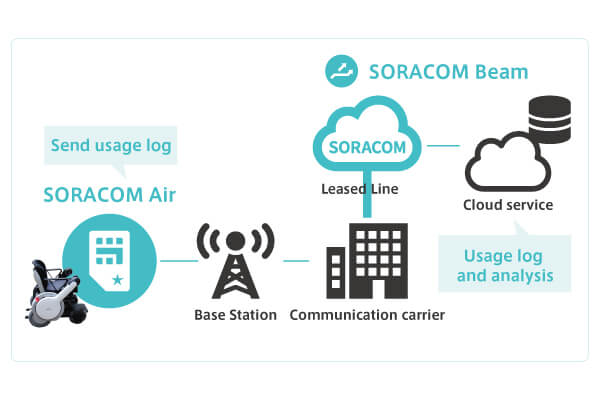
To solve this, WHILL adopted Soracom Air for connectivity and SIM management, enabling devices to start and stop data communication remotely. By leveraging the Soracom API, WHILL could manage communications programmatically during manufacturing and shipping, reducing manual setup.
Minimizing data loads was equally important. With Soracom Beam, WHILL was able to convert lightweight UDP and TCP traffic into secure HTTPS requests in the cloud. This allowed them to send only small packet sizes from the device, with Soracom handling the heavy lifting of secure transfer to WHILL’s backend servers. The result was both efficient and secure communication.
Together, these services transformed development. Instead of requiring engineers to manually update each device, WHILL could make changes in the cloud and apply them seamlessly across the fleet. This reduced wasted time in the field, allowed more agile testing cycles, and protected device battery life.
Why Soracom?
The decision to use Soracom was driven by both efficiency and reliability. By shifting routing and conversion tasks into the cloud, WHILL was able to significantly cut the workload on the device itself. This approach led to a 30% reduction in battery consumption, a critical advantage for riders who depend on WHILL throughout the day.
Soracom’s flexibility also simplified system management. When content or server configurations changed, WHILL’s team could easily update routing in the cloud without touching devices in the field. This ability to toggle settings remotely made their development cycle more dynamic and responsive.
WHILL also discovered value in Soracom’s built-in identifiers. Instead of transmitting device serial numbers, an unnecessary use of bandwidth, they used IMSI IDs from each SIM along with timestamp features to identify and validate devices. This small change eliminated redundant data transfers and further optimized communications.
Future Plans
Looking ahead, WHILL plans to extend connectivity to new features that will enhance both safety and convenience for riders. By uploading GPS coordinates, battery levels, and diagnostic data, WHILL can monitor performance in real time and alert users to potential issues before they become problems.
The team also sees opportunities to use data to improve user experiences. From optimizing routes to providing timely service updates, connectivity will help WHILL deliver a smarter, more personalized mobility solution. These services could further empower riders with independence and peace of mind.
With Soracom as its IoT backbone, WHILL is well-positioned to scale quickly and adapt to customer needs. As the company continues to innovate, its combination of stylish design, intuitive controls, and smart connectivity promises to redefine what personal mobility can be.
Moving beyond manual processes
Asahi Glass Co. (AGC), a global leader in glass and chemical manufacturing, has long relied on data to improve its operations. For years, however, the methods for collecting and analyzing that data were highly manual. Supervisors and engineers often used photos, videos, paper logs, and stopwatches to capture workflows on the factory floor.
The data that was gathered typically lived in personal computers at each site. Rather than being stored in a shared environment, insights were often locked away in individual files, usually analyzed in Microsoft Excel. This siloed approach made it difficult to consolidate findings or apply them consistently across teams.
AGC recognized that while they had valuable information, their system for capturing and processing it was holding them back. To drive meaningful improvement, they needed a faster, more scalable way to acquire, analyze, and act on operational data.
Identifying bottlenecks
AGC found that every stage of their improvement process – data acquisition, analysis, and action – required modernization. Data acquisition was too manual, analysis was too time-consuming, and supervisors often struggled to translate findings into effective improvements. The result was a cycle where valuable insights were delayed or never fully realized.
Leadership believed there had to be a better way to consolidate data and deliver insights directly to the people who could use them. The goal was not just to reduce effort, but to create a system where information was instantly available and actionable.
By rethinking their data strategy, AGC aimed to empower engineers and supervisors to spend less time gathering data and more time designing improvements. This would allow their teams to accelerate innovation and improve efficiency across manufacturing lines.
A wearable-driven solution
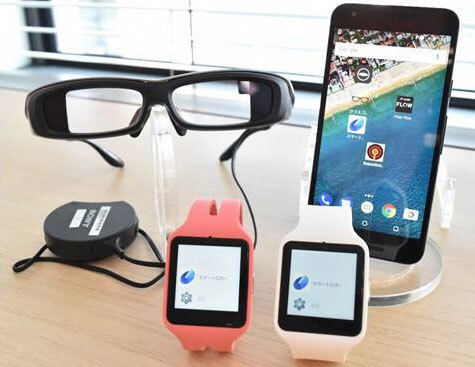
To achieve this, AGC developed a work dynamic analysis solution called Smart Logger in partnership with CEC Corporation. Workers and engineers were equipped with smartphones and IoT-enabled wearable loggers, such as smartwatches and glasses, that could automatically capture workflow data as tasks were performed.
The collected data was transmitted securely via Soracom Air, which allowed each device to connect directly to the cloud. From there, Soracom Beam encrypted transmissions, managed authentication, and routed the information to AGC’s business intelligence (BI) platform for visualization and analysis.
This new approach transformed the process. Data that once required hours of manual collection could now be consolidated instantly in the cloud. Supervisors could view dashboards, spot inefficiencies, and act on insights quickly, while engineers gained more time to focus on developing innovative solutions rather than collecting data.
Why Soracom?
AGC chose Soracom because it provided a connectivity solution that was both easy to deploy and cost-effective. By inserting Soracom Air SIMs directly into smartphones and wearables, AGC was able to connect devices immediately, without the need for complex networking infrastructure. This kept costs low and ensured the system could be rolled out quickly.
With Soracom Beam, AGC gained secure data transfer and flexible cloud integration. Rather than requiring devices to manage authentication themselves, Beam handled encryption and credentialing in the cloud, allowing devices to remain lightweight and efficient. This design reduced both overhead and battery consumption, making wearables more practical in a demanding factory environment.
Another advantage was global reach. With AGC operating factories overseas, Soracom’s international compatibility meant the same connectivity model could be applied across multiple geographies. This consistency simplified deployment and ensured that learnings from one facility could be extended across the company.
Future Plans
AGC believes that adopting IoT and cloud-based analytics is essential for building more reliable, stable, and efficient operations. While manufacturing often involves strict security requirements, AGC sees secure connectivity and cloud platforms as the best way to overcome these barriers and unlock new opportunities.
The company plans to expand its Smart Logger program beyond factories and into office environments. By equipping office workers with wearables, AGC hopes to capture new categories of data, particularly around value-added time, that can be used to improve workflows and productivity.
By continuing to integrate IoT into more aspects of its business, AGC expects to not only streamline existing operations but also foster a culture of continuous innovation. With Soracom providing the connectivity backbone, AGC is positioned to scale securely and efficiently across both manufacturing and office settings.
About: Serious prototyping tools for the 3D modeling age
K’s Design Lab specializes in advanced 3D design, prototyping, and fabrication tools for both professional and industrial users. Their solutions support a wide range of materials and workflows, from vacuum forming to product prototyping and external design, giving creators the tools to bring ideas from digital models into physical form.
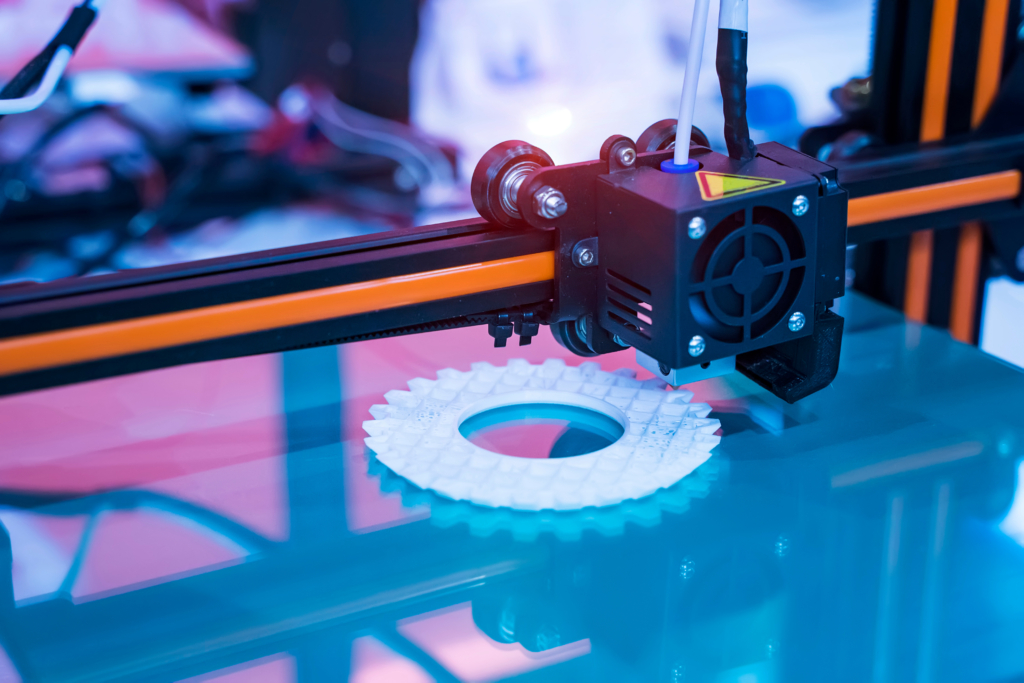
The company’s flagship 3D-Mill K-650 was designed from a technician-first perspective, combining precise cutting capability with the flexibility required in modern fabrication. Once material passes through a 3D printer, it moves into cutting operations, where the K-650 enables free-form curves, fine textures, and high-quality finishes that more closely reflect the original data.
By empowering designers with versatile fabrication equipment, K’s Design Lab has positioned itself as an essential partner for the growing demand in rapid prototyping and advanced industrial model-making.
The Connectivity Challenge: Remote management during lengthy cutting operations
Cutting jobs can vary widely in length depending on size and complexity, sometimes running continuously for hours or even days. During this process, operators typically use a tablet to monitor progress and make adjustments in real time. However, staying physically present throughout an entire job is often impractical or inconvenient.
Without the ability to step away, designers risk reduced productivity and unnecessary downtime. The lack of remote control options also limited the flexibility of the K-650, making it harder to take full advantage of its capabilities.
K’s Design Lab recognized that in order to maximize efficiency, users needed a secure, reliable way to remotely monitor, manage, and adjust the cutting process—without compromising the safety or precision of the equipment.
Solution: Secure wireless monitoring and control with Soracom
To address this challenge, K’s Design Lab integrated Soracom Air into the 3D-Mill K-650, enabling a secure mobile data connection that allowed operators to carry the machine’s controller with them wherever they went. This mobility meant users could remotely oversee the cutting process in real time, without needing to stay tethered to the machine.
The team also developed a custom application that allowed users to personalize their controls for designing, testing, and cutting 3D models. This combination of mobile connectivity and flexible software gave designers more freedom and control over the entire workflow.
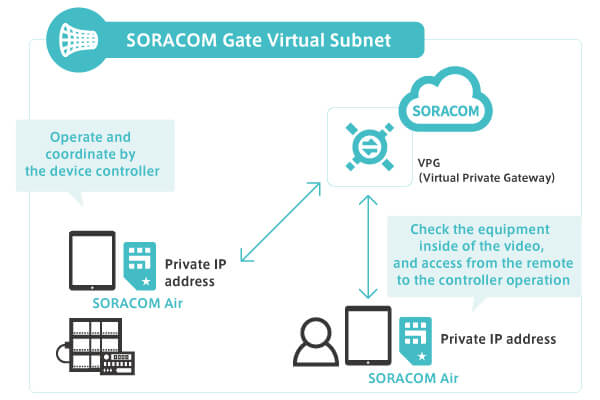
Security was a critical priority. To ensure data integrity and safe access, K’s Design Lab implemented Soracom Gate with a Virtual Private Gateway (VPG). This setup allowed devices using Soracom Air SIMs to operate on the same subnet with private IP addresses, creating a secure channel for communication between tablets, machines, and company servers.
Why Soracom: Balancing flexibility with robust security
For K’s Design Lab, the combination of Soracom Air and Soracom Gate provided the best of both worlds: secure connectivity and flexible deployment. By leveraging Soracom’s cellular services, they avoided the risks of relying on shared Wi-Fi networks and created a system that could be reliably accessed from anywhere.
The use of a Virtual Private Gateway was especially important. It ensured that K’s Design Lab could loan tablets freely to operators and clients, while still retaining secure access to monitor equipment and make adjustments as needed. This protected sensitive workflows without creating unnecessary barriers for end users.
By building their solution on Soracom, K’s Design Lab drastically improved the usability of the 3D-Mill K-650, delivering a more powerful and user-friendly tool for both designers and industrial professionals.
The rising demand for rapid prototyping and advanced model fabrication continues to push innovation in 3D production tools. K’s Design Lab is committed to expanding its portfolio of precision equipment to help makers, designers, and industrial users translate digital designs into high-quality physical objects.
As manufacturing workflows evolve, the company plans to build on its existing IoT foundation to deliver even greater levels of efficiency and precision. Future developments will focus on accelerating the prototyping process while maintaining the highest standards of accuracy and finish.
By integrating secure IoT connectivity with advanced fabrication technology, K’s Design Lab aims to help customers achieve new levels of creativity, productivity, and manufacturing excellence.