

From manufacturing to logistics, modern industrial systems are more advanced, and more complex, than ever. This complexity brings greater performance, but also new vulnerabilities, from supply chain disruptions to workplace safety concerns.
A new wave of real-time location technologies is emerging to meet these challenges. By combining continuous location intelligence with flexible connectivity, these solutions help organizations improve operational efficiency, safeguard workers, and maintain business continuity.
Milan-based Ubiquicom has emerged as a leader in this space, recognized by the Financial Times as one of the 100 fastest-growing technology companies in Europe and ranked 2nd-fastest in Italy by Sole 24ORE.
Ubiquicom’s Locator and TrackVision RTLS platform goes beyond traditional RFID tracking by eliminating the need for physical scans and fixed checkpoints. Instead, assets, vehicles, and personnel can be located continuously, anywhere, indoors or outdoors.
Key capabilities include:
In manufacturing, Ubiquicom helps operators identify work-in-progress items instantly, even among hundreds of similar units. In logistics and warehousing, RTLS ensures assets are stored correctly and found instantly. In all contexts, real-time worker and vehicle visibility supports both productivity and safety.
Their TrackVision telematics solution provides accident prevention and safety monitoring, while the AI-driven SYNCHRO platform optimizes warehouse handling with measurable benefits:
In 2017, Ubiquicom conducted a rigorous vendor selection process, evaluating multiple IoT connectivity providers. Soracom was selected for:
Today, Ubiquicom uses Soracom Air SIMs to connect over 10,000 telematics devices deployed in Italy, integrating with customer systems and complementing client-provided connectivity where needed.

Ubiquicom has earned the trust of major industrial leaders including Toyota Material Handling, Venice Airport, Daikin, CNH Industrial, and ABB.
Currently focused on logistics, manufacturing, and transportation in its domestic market, Ubiquicom is actively expanding across EMEA. A Series B funding round launched in 2021 will fuel further R&D and support entry into additional sectors, including:
With Soracom’s connectivity platform ensuring reliable, scalable device communication, Ubiquicom is poised to transform asset tracking and telematics for industrial customers worldwide.
Theft of agricultural equipment is on the rise, with British farms seeing a 26% increase in claims from 2017 to 2018 according to NFU Mutual. Isolated locations make rural communities especially vulnerable, and organized crime groups operate a robust international market for stolen tractors, quad bikes, and other high-value machinery.
Loss of a single piece of equipment can cost hundreds of thousands of dollars, with replacement taking months, causing lasting impacts on crop yields and farmer livelihoods.
Go4ioT founder Pascal Lavaur saw an opportunity to address this problem with IoT technology. The result is KHIKO, a programmable anti-theft device capable of detecting suspicious movements and alerting owners via SMS, email, or even voice calls.
“It’s a very sturdy device that’s small enough to hide,” says Lavaur. “If an asset starts to move during the night, KHIKO will start tracking it with GPS. Wireless data connection enables continuous tracking of the asset and recovery.”
While originally designed for agriculture, KHIKO is now used to protect construction machinery, boats, classic cars, camping vehicles, and other commercial assets.
Lavaur drew on 18 years in commercial battery manufacturing to design a device that can operate for years without maintenance. KHIKO uses the Sigfox global 0G network to send tiny data packets, such as GPS coordinates, over long distances with minimal power, enabling battery life of up to 10 years.
Because Sigfox is not universally available, KHIKO seamlessly switches to 3G or 4G cellular backup when needed. Soracom’s global SIM and integrated management console make it possible to track assets even when they move outside Sigfox coverage areas.
“The benefits go much deeper than the connectivity aspects,” says Lavaur. “With Soracom, you can send data to other networks in the same compressed format as Sigfox, then extract it into a usable format for cloud systems.”
This capability allows Go4ioT to focus development on core firmware, monitoring movement, location, and configuration—while Soracom provides the connectivity backbone.
Beyond cellular coverage, Soracom delivers built-in services like Soracom Harvest for data storage and visualization, eliminating the need for Go4ioT to build its own infrastructure. The Soracom Console also manages both Sigfox and cellular devices through a single interface, enabling seamless protocol switching without software rewrites.

“KHIKO would have been too complex to build without Soracom,” said Lavaur.
By combining Sigfox and Soracom cellular connectivity, KHIKO offers a highly reliable and low-power theft prevention solution that can be deployed anywhere in the world. This flexibility ensures valuable and mission-critical assets remain protected, delivering greater operational stability, financial security, and peace of mind to users.
In K–12 education, teachers, administrators, and support staff are stretched thin, and resources are often limited. Administrative processes like time and attendance tracking can take valuable time and budget away from helping students succeed.
Founded in 2015, Pennsylvania-based Touchpoint K12 set out to support school district IT and HR teams with advanced people management systems. Today, Touchpoint’s solutions are deployed across the United States, providing simple, reliable, and affordable time tracking for everyone from teachers and administrators to maintenance and support staff.
Touchpoint’s contactless time clocks, self-operating kiosks, and plug-and-play DIY kits simplify accurate timekeeping, reduce the administrative burden, and help schools meet compliance requirements with state-level guidelines.
“Our device is always working, with staff clocking in and out 24/7,” says Seth Hartman, Director of Operations and Facilities at Touchpoint K12. “When school staff use it, they know it’s going to work.”
Touchpoint K12 offers a flexible mix of connected hardware options so districts can tailor solutions to their unique needs. Schools can choose from four fully connected product lines, each designed for a specific use case and backed by ongoing support:
Hartman and his team design each device for a seven-to-ten-year service life, sourcing components that deliver both reliability and value. LTE connectivity is built in as a backup for locations where Wi-Fi is unavailable or blocked by district IT policy—ensuring devices remain operational no matter the environment.
Previously, Touchpoint K12 relied on one of the “big three” U.S. carriers, but high per-line costs and limited backend management tools made scaling difficult.
“We paid so much for the SIM and then had to pay more for the data,” says Hartman. “It just wasn’t designed for a business like ours, with so many separate customers using individual lines in the field.”
Switching to Soracom brought not just cost savings, but also powerful IoT-focused management tools. Using the Soracom User Console, the Touchpoint team can monitor usage, manage lines, pull detailed reports, and even lock SIMs to specific devices for added security with IMEI Lock – a key advantage in school environments where devices may be tampered with.
More recently, Touchpoint K12 has adopted the Soracom Onyx LTE dongle to bring simple, plug-and-play cellular connectivity to its time tracking devices.

Touchpoint’s commitment to quality has earned the trust of IT teams and school administrators across the country, creating a feedback loop that fuels ongoing product improvements.
“Our ideas come directly from requests that schools share with us,” Hartman explains. “There’s one IT specialist for every 1,000 staff members. It’s very hard for them to manage everything the kids and teachers need. We think of ourselves as an outsourced IT department.”
Looking ahead, Touchpoint is working on new capabilities to support emergency evacuations, assess staff exposure to illnesses, and create solutions that help students directly—all while maintaining the reliability and security that customers depend on.
In 2012, Pebblebee founder Daniel Daoura experienced every parent’s nightmare: his two-year-old daughter disappeared in a crowded fairground. Thankfully, she was quickly found, but the experience set him on a mission.
As an electrical engineer and RF communications expert, Daniel knew that existing personal trackers were either too limited or too expensive for family use. Together with co-founder Nick Pearson-Franks, he launched Pebblebee to build devices that combine innovative design, extended battery life, and long-range Bluetooth into consumer-friendly form factors.
Today, Pebblebee helps families track everything from keys and wallets to pets, children, and even drones – ensuring peace of mind where it matters most.
Pebblebee recognized that Bluetooth alone wasn’t enough. It can tell you when a pet has left the yard, but not where they’ve gone. Cellular tracking provides precise GPS, but traditionally requires bulky hardware, drains batteries, and adds confusing subscription fees.
To create a tracker that truly delivers peace of mind, Pebblebee needed a solution that combined:
After three years of development and hundreds of prototypes, Pebblebee introduced Pebblebee Found, a breakthrough tracker that seamlessly blends Bluetooth and LTE-M.
Pebblebee Found redefines what a personal tracker can be – small, powerful, reliable, and subscription-free.

Found was Pebblebee’s first cellular-enabled device, and it pushed the limits of consumer IoT design. To succeed, the team needed an ambitious connectivity partner with:
With Soracom, Pebblebee gained not only reliable LTE-M service but also hands-on collaboration from solutions architects who felt like an extension of the product team.
Pebblebee’s mission is simple: help people stay connected to what they love most. Beyond pets and personal items, the team is already exploring new products designed to support families in more ways.
Rather than chasing volume, Pebblebee focuses on delivering the best possible user experience. With a foundation of continuous innovation and strong partnerships in the IoT ecosystem, Daniel and his team are confident that success will follow.
Play Share is a Los Angeles-based startup using connected technology to help people make the most of shared public spaces. The company was founded by co-founder Michael Zou after a simple but memorable experience: at a company picnic in a local park, no one had brought a ball to play with. That moment sparked the realization that shared equipment could transform public spaces into more engaging, active, and enjoyable environments.
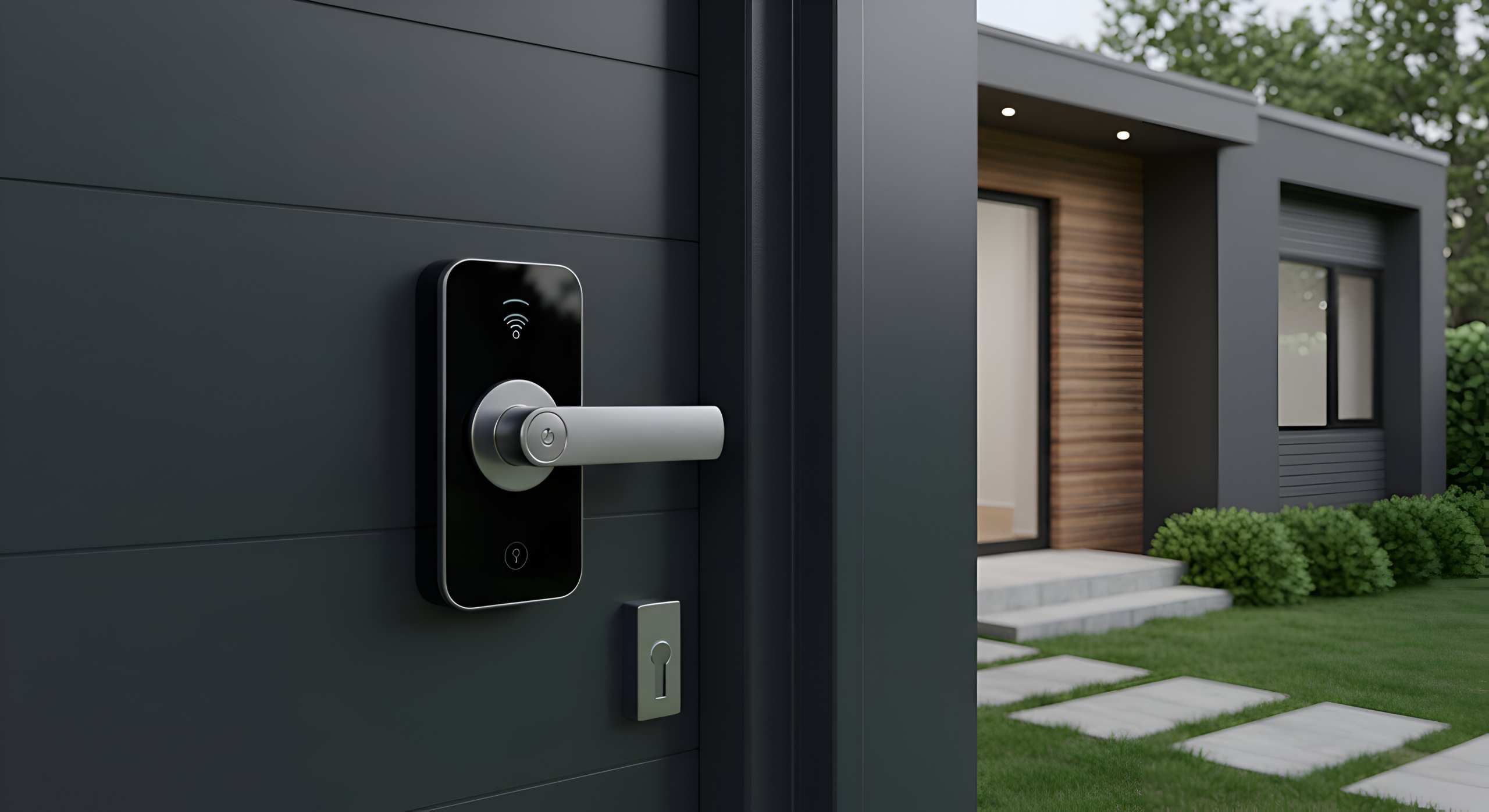
The Play Share locker was designed with simplicity at its core. Families, friends, or individuals visiting a park can quickly borrow everything from basketballs and volleyballs to tennis gear, horseshoes, or even ring toss sets. The lockers make it easy for anyone to get active, without needing to carry gear from home.
By offering accessible, on-demand equipment, Play Share helps municipalities make parks more inviting and usable, while giving residents more reasons to come together, stay active, and enjoy their communities.
Public spaces are valuable assets for cities, but managing on-site equipment rentals has historically been a challenge. Municipalities want to encourage residents to enjoy recreation facilities, yet staffing and maintaining rental services is often costly. This has limited availability mostly to high-revenue equipment like paddle boats, leaving everyday activities underserved.
For smaller parks, in particular, the lack of easy access to recreational gear can mean missed opportunities for families and communities to connect. Carrying equipment from home is inconvenient, and once people are at the park without it, they often simply go without.
Play Share identified this gap and set out to design a solution that could offer on-demand rentals without the need for staff or constant supervision. The challenge was to create a system that was simple for users, secure enough for public environments, and easy for municipalities to maintain.
The Play Share smart locker works much like a vending machine: users select the gear they want, borrow it for as long as they like, and then return it when finished. The process is intuitive and quick, ensuring accessibility for families, kids, and casual park visitors.
Behind the scenes, however, the system integrates sophisticated technology. User identity and payment details are verified through the app, and built-in machine vision helps confirm that returned items match what was borrowed. The lockers themselves are designed to operate unattended for long periods, with robust physical security that makes them reliable for municipalities.
By combining ease of use with advanced monitoring and secure design, Play Share creates a win-win scenario: parks are able to offer expanded services with minimal effort, and communities gain a fun, low-cost way to get the most out of their shared spaces.
Connectivity was a critical design decision for Play Share from the earliest prototypes. Parks and open spaces often don’t have reliable Wi-Fi, and deploying public networks comes with coverage limitations, security risks, and complex interdepartmental hurdles.
Cellular connectivity solved these challenges immediately. With Soracom Air providing built-in multicarrier coverage, each locker operates as a self-contained unit. No additional hardware or setup is required, and lockers can be placed in a variety of environments without worrying about network reliability.
Soracom’s management console adds another layer of value by giving the Play Share team full visibility into all lockers in the field. This means they can manage connectivity centrally, respond quickly to any issues, and continue to scale operations without adding complexity.

Initial deployments in Los Angeles and the San Francisco Bay Area have been met with strong positive feedback from both municipalities and park-goers. With early success proven, Play Share is now exploring expansion across California and beyond, aiming to bring its lockers to parks of all sizes nationwide.
The team also sees potential far beyond recreation. The same model of shared-access, unattended lockers could apply to workplaces, shopping centers, and residential buildings. Imagine being able to borrow tools, laptops, or even portable battery packs from a secure, connected locker – all without needing staff on-site.
As Play Share grows, the mission remains clear: to use connected technology to make public and shared spaces more engaging, convenient, and community-driven. Whether it’s a soccer ball in a park or a toolkit in a dorm, Play Share is proving that the right equipment, available at the right moment, can unlock real human connection.
Cookpad Mart is an e-commerce service that connects consumers with fresh ingredients from local farmers and specialty shops. Shoppers place orders through a mobile app, and their purchases are delivered to neighborhood “Mart Stations,” refrigerated lockers designed for same-day pickup. This keeps food fresh while making local produce more accessible.
Unlike traditional grocery delivery services, Cookpad Mart avoids central distribution centers that can degrade quality. By shipping directly from farm or shop to customer, they minimize handling and preserve freshness. This farm-to-fridge approach is a defining feature of their service and sets them apart in the crowded grocery marketplace.
To make this system work, Cookpad had to ensure that every order could be processed accurately from the moment it was placed to the moment it was delivered. That required not only a digital marketplace, but also reliable hardware that farmers and small shops could depend on day after day.

Cookpad began with a straightforward idea: equip farmers and specialty shops with label printers so they could mark orders clearly before handing them to drivers. In theory, this would streamline the handoff process and ensure that every product arrived with the correct details.
In practice, the system quickly showed its limits. Labels needed to be water-resistant, consistently formatted, and durable enough to survive handling in busy, sometimes outdoor environments. Without this, consumers could receive confusing or inconsistent information on their deliveries.
A first prototype combining a standard printer with an iPad seemed promising, but testing revealed frequent paper jams, device freezes, and unstable connections between devices. These setbacks made it clear that Cookpad needed a more stable, IoT-ready system to support its unique delivery model.
Cookpad partnered with Soracom to build a more resilient solution. By equipping a Raspberry Pi with Soracom Air cellular connectivity, Cookpad created a reliable communications hub that stabilized printer operations and enabled continuous status monitoring. This reduced common issues like jams and connection drops.
To securely transmit order data, Cookpad used Soracom Canal, which provided a private connection between IoT devices and their AWS-hosted backend. If problems were detected, the operations team could use Soracom Gate to access devices remotely, drastically cutting downtime and eliminating the need for on-site intervention.
Beyond solving the printing challenge, Cookpad extended the solution to food safety. By deploying Soracom Beacon sensors and visualizing their data through Soracom Harvest, Cookpad could monitor temperature, humidity, and location in real time, ensuring quality control from farm to Mart Station.
Soracom’s platform provided Cookpad with a unified foundation for rapid IoT development. With Soracom’s endpoint functions, Cookpad could link data from multiple services simultaneously, including direct integration with AWS through Soracom Funnel. This seamless interoperability allowed engineers to focus on refining customer and farmer experiences rather than managing infrastructure.
Development speed was another key advantage. Using Soracom, just two engineers (one focused on applications and the other on backend systems) were able to design, test, and deploy a fully functional IoT system in only a week. The efficiency of Soracom’s APIs and management tools made rapid prototyping possible.
For Cookpad, the decision to use Soracom wasn’t just about solving immediate technical hurdles. It provided a scalable, flexible platform that could support continuous innovation. With this foundation in place, Cookpad can evolve its service quickly and confidently as customer needs grow.

Cookpad continues to emphasize speed in its hardware development process, with prototypes often produced in as little as a week and rarely taking longer than a month. This allows the team to test, learn, and improve without slowing down day-to-day operations.
Future plans include making it even easier for farmers and specialty shops to participate in the Cookpad Mart ecosystem. By simplifying the hardware and further automating back-end processes, Cookpad hopes to reduce barriers for local producers who may not have prior technical experience.
As Cookpad scales its service into more regions, the company is committed to preserving the freshness and quality that have defined its success. With Soracom as its IoT backbone, Cookpad can expand while maintaining the trust and reliability that keep customers coming back.
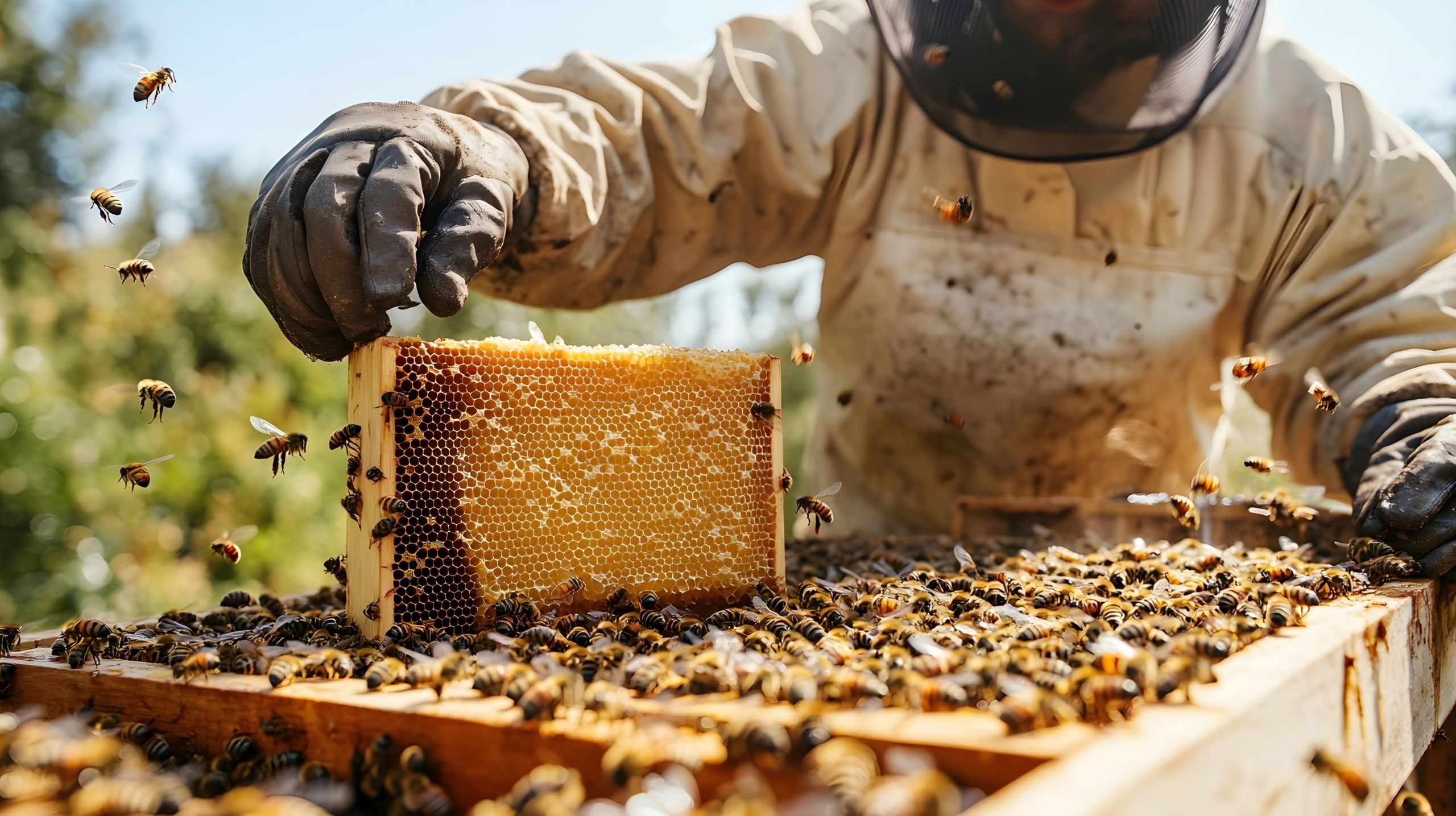
Bees are more than just insects; they are essential workers in the global food supply chain. By pollinating crops, they support nearly three-quarters of the foods humans rely on every day. But pesticides, parasites, environmental changes, and climate disruption have placed bee populations at serious risk, putting agriculture itself in jeopardy.
Founded in 2017 within an elite entrepreneurial program at IDC University near Tel Aviv, BeeHero was built by a team with deep expertise across agriculture, engineering, and entrepreneurship. Co-founders include a second-generation beekeeper, a global product manager, a hardware and analytics specialist with intelligence service experience, and a serial entrepreneur. Together, they combined practical agricultural knowledge with advanced technical innovation.
From just a few hives in Israel, BeeHero has grown into a global enterprise with offices in Tel Aviv and Palo Alto, operating tens of thousands of hives across multiple continents. Today, their technology is helping growers, beekeepers, and researchers better protect bees while ensuring higher yields and healthier harvests.
Bees pollinate more than 70% of human food crops, making them vital to agriculture and food security. Yet Colony Collapse Disorder, first identified in 2006, continues to devastate bee populations, with nearly 40% of colonies dying each year. Even surviving colonies often suffer reduced productivity, threatening the farmers and industries that depend on them.
Commercial beekeepers play a frontline role in protecting colonies, but early diagnosis is critical. By the time visible signs of stress appear, the window to act may have already closed. Traditional inspection methods rely heavily on physical visits to each hive, a costly, time-intensive process that limits scale and speed.
The challenge BeeHero set out to solve was not just detecting problems, but doing so early, reliably, and at scale. The solution needed to provide continuous, non-intrusive monitoring, accessible from anywhere, without overwhelming beekeepers with data noise.
BeeHero’s approach combines IoT sensors with advanced analytics to provide beekeepers unprecedented visibility inside their hives. Their low-cost sensors capture over 25 features related to colony health, including brood diseases, mite activity, queen presence, and early signs of collapse. This data powers proprietary algorithms that can predict hive disorders before they escalate.
Because such algorithms require massive amounts of data, BeeHero first partnered with commercial beekeepers managing 25% of Israel’s working bees. They soon expanded to partnerships with three of the largest U.S. beekeepers, building what is now the world’s largest database on pollination and bee health. This dataset enables continuous improvement of BeeHero’s predictive models, making them more accurate and more valuable over time.
The results speak for themselves. Beekeepers using BeeHero report reduced colony mortality, lower operational costs from fewer physical inspections, and healthier hives overall. Growers benefit from improved pollination quality, which translates directly to higher crop yields and better revenue per acre. For bees, the outcome is simple but profound: longer lives, stronger colonies, and better resilience against modern challenges.
Scaling from dozens of hives to tens of thousands introduced a new challenge: connectivity. Bees travel by truck, hives are installed in fields across hundreds of miles, and cellular coverage is often unpredictable. BeeHero’s first connectivity solutions struggled to keep up, both technically and economically, slowing down deployment.
That changed with Soracom. Using Soracom Air, BeeHero could connect hives reliably across diverse geographies, from California’s Central Valley to remote farmland overseas. Just as importantly, Soracom’s pay-as-you-go model made it easy to keep costs predictable while growing fast.
As CEO and co-founder Omer Davidi explains: “We found ourselves struggling to scale with our previous solutions, so we were very glad to find Soracom. We were able to start testing in field within just 48 hours of contacting Soracom, but more than that, it was clear Soracom put the customer first. In a fast-paced environment with a lot of moving parts, having a partner who feels like part of the team is a huge advantage, and we are very happy to scale together.”

BeeHero is already monitoring tens of thousands of hives and is on track to cover over 20,000 beehives in the U.S. alone, supporting more than one billion bees worldwide. Their partnerships span commercial beekeepers, growers of crops like almonds and berries, and agricultural researchers working to improve pollination strategies.
The company’s global expansion is anchored in California’s Central Valley, one of the most productive agricultural regions in the world. By ensuring healthy hives and reliable pollination, BeeHero is helping to protect a region that supplies a massive share of the world’s food.
Looking forward, BeeHero’s mission is both simple and ambitious: protect pollinators, safeguard food production, and give beekeepers and growers the tools they need to thrive in the face of environmental and economic uncertainty. By combining IoT innovation with a deep respect for bees, BeeHero is building a future where agriculture and ecology succeed together.
Nectar was founded in 2015 by Montréal-based designer and beekeeper Marc-André Roberge. What began as a personal project to support a new generation of urban beekeepers quickly revealed a much larger opportunity. Roberge recognized that the same connected technology that could help hobbyists manage a few hives in the city might also transform the way commercial beekeepers operate across thousands of hives.
Since then, the company has grown into an international player in precision beekeeping. Today, Nectar connects more than 1,500 hives across the US and Canada, equipping beekeepers with purpose-built sensors and analytics tools that dramatically improve visibility into hive health. With over 15 million bees now connected, the company has already demonstrated the ability to reduce operational costs while improving productivity and survival rates.
As demand for pollination continues to increase worldwide, Nectar’s mission has expanded from its local roots to a global vision. By combining field experience with innovative technology, Nectar is positioning itself as a key contributor to food security and agricultural resilience around the world.
Honey bees pollinate nearly a third of the crops humans rely on, from fruits and nuts to vegetables and grains. In economic terms, this pollination represents more than $200 billion USD in value every year. Beyond numbers, bees make possible the growth of nutrient-dense foods that are essential to healthy diets around the world.
Yet for decades, bee populations have been in sharp decline. In North America and Europe, colonies have been dying in large numbers for more than 20 years, with annual losses still estimated at 30% or more. The causes are complex and varied, from pesticides and parasites to climate stress and changing land use, but the result is the same: fewer bees, weaker hives, and reduced pollination capacity.
For commercial beekeepers, this creates both a challenge and an opportunity. Protecting colonies requires early detection of stressors and timely intervention, but traditional monitoring methods rely heavily on manual inspection. This is time-consuming, labor-intensive, and often comes too late to prevent damage. The industry needs new ways to “listen” to hives in real time and respond before small issues become catastrophic losses.
Nectar developed its wireless “Beecons” to provide exactly this capability. Installed directly in the hive, these sensors track conditions such as temperature, humidity, movement, and even sound. Data from multiple hives is then collected by solar-powered BeeHubs and transmitted to the cloud, where Nectar’s analytics platform interprets the results.
This constant flow of information gives beekeepers a clear picture of hive activity and health. They can monitor honey production, identify when a queen goes missing, predict swarming behavior, and detect environmental changes that could threaten colony survival. Instead of reacting to problems after they occur, beekeepers gain the ability to prevent them.
More advanced applications extend these benefits even further. By combining real-time sensor data with algorithms developed by experienced beekeepers, Nectar helps users make informed decisions about hive management, seasonal transitions, and crop pollination timing. The result is not only healthier bees but also better yields for growers who depend on them.
Beekeeping is not confined to small, fixed locations. Commercial operations often manage thousands of hives spread across vast rural areas, sometimes equivalent in size to a small country. To ensure colonies don’t compete with each other, hives are often distributed across wide territories, and during pollination season they may be moved hundreds of miles by truck.
These conditions make traditional connectivity options impractical. Wired infrastructure is rarely available in rural fields, and Wi-Fi coverage is unreliable and difficult to manage across such large areas. Cellular data offers the flexibility and range that beekeepers need, ensuring that hive data flows consistently to the cloud even as hives move from place to place.
With Soracom, Nectar gains access to a multicarrier SIM that automatically connects to the strongest available signal, no matter where a hive is located. And because Soracom’s global SIM works seamlessly across borders, Nectar does not need to negotiate separate contracts for each new market. This combination of simplicity, reliability, and scalability makes it possible for Nectar to focus on protecting bees instead of managing connectivity.

The future of agriculture depends heavily on pollination, and the future of pollination depends on healthy bees. As growers demand more reliable pollination services, Nectar is working to expand its hardware and software offerings to meet a wide range of beekeeping needs. Some beekeepers focus on honey production, others on pollination services, and still others on breeding strong colonies. Each of these goals requires different data, and Nectar is building the flexibility to serve them all.
Future hardware releases will give users even greater visibility into hive activity and health, with options to tailor insights to specific goals. This will help beekeepers make more precise management decisions, reduce costs, and protect their investment in bee populations.
Beyond serving individual operations, Nectar also sees an opportunity to strengthen collaboration between beekeepers and growers. By using sensor data as a trusted source of verification, Nectar can help growers confirm pollination quality and optimize crop yields, creating a shared foundation of trust that benefits both sides. Ultimately, this aligns with the company’s mission to create healthier bees, healthier crops, and a healthier planet.
Sharp developed an application called Sumokoco to improve event management by tracking assets and personnel in real time. By inserting Soracom Air SIM cards into smartphones, Sharp could transmit GPS data to the cloud and display object locations instantly on a map. This gave event organizers visibility into the movement of vehicles, staff, and other resources during large-scale operations.
The system proved particularly valuable for managing safety and logistics, where real-time situational awareness can reduce response times and improve coordination. For example, cars, motorbikes, and even individual staff members could be tracked across wide event spaces, ensuring operations ran smoothly and efficiently.
Since events are often short in duration and happen only a few times a year, Sharp needed a way to make this system affordable without requiring a permanent investment in infrastructure. That’s where Soracom’s flexible connectivity model played a critical role.

Unlike continuous industrial deployments, event monitoring has unique operational patterns. Sharp faced a challenge in sourcing a connectivity provider that could support high-bandwidth data during events while remaining cost-efficient during off-peak months when no activity was required.
Traditional cellular contracts often require ongoing payments, even when devices sit idle. For Sharp, this meant they risked paying for unused capacity between seasonal events. Such a model would make IoT-powered event management prohibitively expensive.
The solution required not only reliable cellular performance during active use but also a way to manage costs by suspending or reducing connectivity charges outside event periods. Without this flexibility, scaling Sumokoco across multiple events would not be sustainable.
Sharp partnered with Soracom to bring Sumokoco to life. Using Soracom Air, they were able to transmit real-time location data from smartphones to the cloud with low latency and high reliability. Because Soracom’s connectivity leverages existing mobile networks, Sharp didn’t need to invest in new infrastructure, lowering upfront costs.
Perhaps more importantly, Soracom allowed Sharp to activate communication only when needed, during development, testing, and live events. Once an event concluded, data transmission could be suspended, eliminating unnecessary charges. This “on-demand” approach gave Sharp the flexibility they needed while ensuring their IoT solution remained competitive.
By combining affordability, scalability, and ease of deployment, Soracom enabled Sharp to deliver a professional-grade monitoring service that could adapt to seasonal usage patterns without financial strain.
Soracom’s approach to IoT connectivity fit perfectly with Sharp’s seasonal use case. By enabling devices to send data only during active periods, Sharp avoided unnecessary costs and gained precise control over their connectivity spend.
Additionally, Soracom’s global reach means that Sharp can deploy Sumokoco across different regions without worrying about network compatibility or negotiating local carrier agreements. This helps expand the potential scope of their solution beyond domestic events.
In the future, Sharp also plans to integrate Soracom Beam into Sumokoco. By shifting encryption and protocol conversion from the device to the cloud, Beam will reduce the processing load on terminals, conserving battery life and extending device usability during long events.

Sharp is committed to continuously enhancing Sumokoco’s performance and usability. A key focus is reducing the battery consumption associated with transmitting data using MQTT and HTTP protocols. By offloading encryption and authentication to the Soracom platform via Soracom Beam, devices will consume less power while maintaining secure data transmission.
These improvements will extend the operating time of smartphones and IoT terminals during long events, making Sumokoco even more reliable for field staff and organizers. With battery life extended, event managers can focus on operations rather than device management.
Looking ahead, Sharp plans to scale Sumokoco to support larger and more complex event environments, further demonstrating how IoT can transform real-time monitoring and logistics management. With Soracom as a partner, they are well-positioned to expand both functionality and reach.
Asahi Glass Co. (AGC), a global leader in glass and chemical manufacturing, has long relied on data to improve its operations. For years, however, the methods for collecting and analyzing that data were highly manual. Supervisors and engineers often used photos, videos, paper logs, and stopwatches to capture workflows on the factory floor.
The data that was gathered typically lived in personal computers at each site. Rather than being stored in a shared environment, insights were often locked away in individual files, usually analyzed in Microsoft Excel. This siloed approach made it difficult to consolidate findings or apply them consistently across teams.
AGC recognized that while they had valuable information, their system for capturing and processing it was holding them back. To drive meaningful improvement, they needed a faster, more scalable way to acquire, analyze, and act on operational data.

AGC found that every stage of their improvement process – data acquisition, analysis, and action – required modernization. Data acquisition was too manual, analysis was too time-consuming, and supervisors often struggled to translate findings into effective improvements. The result was a cycle where valuable insights were delayed or never fully realized.
Leadership believed there had to be a better way to consolidate data and deliver insights directly to the people who could use them. The goal was not just to reduce effort, but to create a system where information was instantly available and actionable.
By rethinking their data strategy, AGC aimed to empower engineers and supervisors to spend less time gathering data and more time designing improvements. This would allow their teams to accelerate innovation and improve efficiency across manufacturing lines.
To achieve this, AGC developed a work dynamic analysis solution called Smart Logger in partnership with CEC Corporation. Workers and engineers were equipped with smartphones and IoT-enabled wearable loggers, such as smartwatches and glasses, that could automatically capture workflow data as tasks were performed.
The collected data was transmitted securely via Soracom Air, which allowed each device to connect directly to the cloud. From there, Soracom Beam encrypted transmissions, managed authentication, and routed the information to AGC’s business intelligence (BI) platform for visualization and analysis.
This new approach transformed the process. Data that once required hours of manual collection could now be consolidated instantly in the cloud. Supervisors could view dashboards, spot inefficiencies, and act on insights quickly, while engineers gained more time to focus on developing innovative solutions rather than collecting data.
AGC chose Soracom because it provided a connectivity solution that was both easy to deploy and cost-effective. By inserting Soracom Air SIMs directly into smartphones and wearables, AGC was able to connect devices immediately, without the need for complex networking infrastructure. This kept costs low and ensured the system could be rolled out quickly.
With Soracom Beam, AGC gained secure data transfer and flexible cloud integration. Rather than requiring devices to manage authentication themselves, Beam handled encryption and credentialing in the cloud, allowing devices to remain lightweight and efficient. This design reduced both overhead and battery consumption, making wearables more practical in a demanding factory environment.
Another advantage was global reach. With AGC operating factories overseas, Soracom’s international compatibility meant the same connectivity model could be applied across multiple geographies. This consistency simplified deployment and ensured that learnings from one facility could be extended across the company.

AGC believes that adopting IoT and cloud-based analytics is essential for building more reliable, stable, and efficient operations. While manufacturing often involves strict security requirements, AGC sees secure connectivity and cloud platforms as the best way to overcome these barriers and unlock new opportunities.
The company plans to expand its Smart Logger program beyond factories and into office environments. By equipping office workers with wearables, AGC hopes to capture new categories of data, particularly around value-added time, that can be used to improve workflows and productivity.
By continuing to integrate IoT into more aspects of its business, AGC expects to not only streamline existing operations but also foster a culture of continuous innovation. With Soracom providing the connectivity backbone, AGC is positioned to scale securely and efficiently across both manufacturing and office settings.